EuroLeague Weekly Dose: Week 23

The Game of week 23:

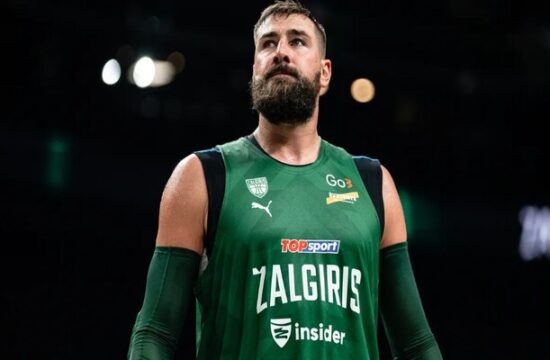
Panathinaikos vs Zalgiris

OAKA was roaring, full of emotion and excitement, and Panathinaikos and Zalgiris gave it a game worthy of that stage.

The first big moment came immediately. Mathias Lessort returned to the competition, Panathinaikos went to him on the very first possession, and he delivered with a bucket. That set the tone in the building, but early on the tactical story leaned in a different direction.

Zalgiris opened by “weakening” ball screens, especially against Kendrick Nunn, pushing him toward his right hand and trying to make every touch a little less comfortable. Still, the early spotlight belonged to the battle inside between Lessort and Moses Wright. That clash had real edge from the jump.

Despite committing four turnovers in the opening quarter, Zalgiris managed to stay in front, and the reason was simple. They crushed the offensive glass, pulling down five offensive rebounds and creating extra possessions. Panathinaikos needed a late push to stay close, and T.J. Shorts provided it with his ability to attack the paint. By the end of the first, the Greens were down only three.

Zalgiris adjusted again to open the second quarter. They began switching all ball screens not involving Nunn, which stalled Panathinaikos and forced the offense into late clock situations. On the other end, they kept finding success attacking the hedge.

Panathinaikos looked for counters. They started posting up Grant when Sylvain Francisco was the defender, but the real momentum swing came from Cedi Osman. He scored five straight to tie the game and forced a Zalgiris timeout. Then, right out of the break, he struck again, capitalizing on another turnover.

Late in the half, the Greek defense ratcheted up. Zalgiris’ shooting dried up and the Lithuanians scored only four points in the final five minutes, despite generating some quality looks. The turnover issues also kept piling up, with four more in the second quarter. That helped Panathinaikos rack up six steals in the half and turn them into easy runouts.

By halftime, the Greens had flipped the game and led 44 40.

The second half started with Zalgiris leaning heavily into Spain pick and roll, both from the middle and on the side, and they found real success with it. But the transition issues remained. Cedi Osman kept hurting them in the open floor, and after a Nunn scoop layup the Panathinaikos lead grew to nine.

Zalgiris answered like good teams do. An 8 0 run, sparked by a Brazdeikis three and five quick points from Francisco, brought them right back into it.

Ataman went back to the bench and found the stabilizer in Shorts. His ability to touch the paint stopped the bleeding and helped ignite an 8 0 run for Panathinaikos before a late Zalgiris basket trimmed the deficit to six entering the fourth.

Then came the decisive push.

Panathinaikos opened the final quarter on an 8 2 run, stretching the lead to 12 and forcing Tomas Masiulis to call timeout. It worked, at least briefly. Moses Wright converted a 2 plus 1, then Francisco drilled a three within the next minute, giving Zalgiris a jolt.

And then Lessort took over the emotional center of the game.

Back to back impact plays, first a dunk, then a charge, completely flipped the momentum again. Moments later, Osman buried a three that pushed Panathinaikos to its biggest lead of the night at 14. That sequence felt like the game inhaling and exhaling all at once.

Zalgiris kept swinging. They made another push and got within three, but they could never fully break through. Panathinaikos held on for a 92 88 win.

Cedi Osman and Kendrick Nunn combined for 46 points and carried much of the scoring load. For Zalgiris, Francisco was the engine with 23 points, while three other teammates also reached double figures.

In a game full of tactical tweaks, momentum swings and playoff level tension, Panathinaikos found just enough answers, and in OAKA, that was enough.


Key Performances of the Past Week:

Codi Miller-McIntyre vs Fenerbahçe

In one of the games of the week, Codi Miller-McIntyre stole the show, and he did it without needing a huge scoring night.

This was not about gaudy point totals or a heater from deep. This was about control. Full game control.

The Crvena Zvezda guard finished with a 10 point, 12 assist double double and added eight rebounds, ending just two boards short of a triple double. It was the kind of stat line that tells you he was involved in everything, and the film backs it up.

Miller McIntyre caused problems all night by getting downhill into the teeth of Fenerbahçe’s defense. Once he cracked the first layer, the real damage began. He kept making the right read, over and over, putting teammates in position to finish plays and forcing the defense to stay uncomfortable for long stretches.

That is what made the performance stand out. He was not just creating offense. He was dictating the shape of the game.

And on defense, he looked like himself. Constant pressure on the ball. Comfortable switching onto bigger players. Competitive enough to hold his own in those matchups and keep the possession alive.

There are nights when the headline belongs to the scorer who catches fire. Then there are nights like this, when the best player on the floor is the one bending every possession to his will.

Against Fenerbahçe, Codi Miller McIntyre proved you do not need a 25 point explosion to own the spotlight. Sometimes it is enough to make the defense sweat on every trip and put your teammates exactly where they need to be.


Standings Watch:

This was one of those EuroLeague rounds where the standings did not dramatically shift, but the tension somehow still rose.

The headline is the congestion around the Play In line. Every team currently sitting in Play In position is now tied at 17 14. That is the kind of traffic jam that turns every remaining game into a pressure cooker. One bad night can send you tumbling. One good week can change everything.

Lurking right behind that pack are Dubai and Milano, both just one win back. That detail matters. It means the group above them is not just fighting each other, it is also looking over its shoulder every single night.

The biggest loser of the week was Maccabi.

They now sit three wins behind the Play In spots, and it gets worse when you consider there are also two teams between them and the line. In a race this crowded, that kind of gap can feel bigger than the raw number suggests. It is not just about making up ground, it is about leaping multiple teams while hoping several results break your way.

So the obvious question hangs there now.

Was this the week Maccabi’s postseason hopes effectively ended?

Maybe not mathematically. But in a standings race this compressed, it is starting to feel very close.


Games to Watch Week 24:

Zalgiris vs Real Madrid

Is everyone ready for round two between Zalgiris and Real Madrid?

The first meeting came down to the final breath and ended with just a one point margin, so the sequel already has a built in hook. And this one has all the ingredients to deliver again.

For the season, Zalgiris and Real Madrid have been the second and third best offenses in the competition. That alone tells you what kind of ceiling this matchup has. Two elite attacks, plenty of creators, and multiple ways to stress a defense.

But there is an important split hanging over Real Madrid here.

Away from home, their offensive efficiency drops significantly, sliding from 120.8 ORTG to 113.2 ORTG. That dip goes a long way toward explaining the Blancos’ road issues and their 5 10 record in those games. The offense still has talent, but it has not traveled with the same force.

That is where Zalgiris becomes especially interesting.

Their guards are the ones who control the shape of the game, and they love to live in the pick and roll. Expect them to bring Edy Tavares into as many actions as possible, probing for openings and trying to use Moses Wright as a roller to put pressure on the defense. If Zalgiris can consistently force Tavares into difficult reads, that could tilt long stretches of the game.

On the Real side, the matchup pressure comes from different places.

Mario Hezonja and Trey Lyles are the kind of players who walk onto the floor as mismatches. Size, skill, shotmaking, versatility. Against almost any opponent, they can force a defense into uncomfortable decisions, and Zalgiris is no exception. If Real is going to steady itself on the road, those two feel like obvious pressure points.

So yes, this has all the signs of another tight one.

Two elite offenses. One team trying to weaponize its guards and pick and roll game. Another bringing oversized shot creators who can bend the floor in their own way. If the first meeting was any indication, expect another exciting game that stays close deep into the fourth.


What’s at Stake:

Should the sirens start to play in Barcelona?

The Catalans have now dropped four straight, and the surprising part is where the problem is showing up. Contrary to what many would expect, this is not really about the defense. The bigger issue has been on the offensive side of the ball.

For the season, Barcelona has posted a 117.7 ORTG, a strong mark that reflects the talent and firepower in this roster. But over the last four games, they have not reached that number once. In fact, they have gone above 111 ORTG only a single time in that stretch.

That is not just a cold patch. That is a real offensive slowdown.

The shooting numbers from deep help explain why. Barcelona has gone just 27 for 105 from three in those four games, a brutal 25.8 percent. When a team built to create advantages and space the floor goes that cold, everything starts to look harder. Driving lanes tighten. Rotations arrive sooner. Possessions become more fragile.

And that is what makes this stretch so fascinating.

Because when a team with this much talent starts sputtering offensively, the question is not only about the percentages. It is about the response. What gets simplified? What gets emphasized? Which players are put in more advantageous spots? How much of this is just shooting variance, and how much is something deeper?

That brings it back to the biggest question.

What will Xavi Pascual do to solve it?

Barcelona still has the talent to snap out of this quickly. But four straight losses and an offense that suddenly looks stuck is enough to make the alarms at least start warming up.


Biggest News Around EuroLeague

Life in Monaco has not been easy lately, and the hits just keep coming.

The latest blow is a significant one. Mike James has picked up a hamstring injury and is expected to be sidelined for the next two to three weeks, a tough loss for a team that has already been navigating turbulence.

And the context matters here.

Monaco went into the game against Olympiacos with just a nine man rotation. One of those nine was the EuroLeague’s all time leading scorer, and even with that thin margin, the Monegasques found a way to win. They currently have only 11 players registered in the EuroLeague, which makes every absence feel heavier and every rotation decision tighter.

That is what makes the James injury more than just a headline. It is not only about losing a star. It is about losing a star on a roster that already feels stretched to its limits.

This is where Monaco’s season keeps getting tested. Depth has already been a talking point. Availability has already been an issue. Now the team has to survive another stretch without one of its central engines.

So the question becomes the obvious one.

How will the Monegasques handle yet another dose of adversity?

Given everything around this team lately, the answer may say a lot about where this season is really headed.


This article was written by the European Hoops team: Tiago Cordeiro, João Caeiro and André Lemos. Make sure you give us a follow on Twitter at @EthosEuroleague!

European Hoops: EuroLeague Week 23 Recap and Week…

In this episode of the European Hoops Podcast, João Caeiro breaks down all the key action from EuroLeague Week 23, analyzes what’s at stake for the top contenders, discusses how the standings are shaping up after the week, and highlights the must-watch games heading into Week 24.

This episode of the European Hoops Podcast is presented by FanDuel!

Follow the podcast for more EuroBasket previews and European basketball coverage!

Subscribe and rate on Apple and Spotify, and follow @EthosEuroleague on Twitter and Instagram for Euroleague men and Women, FIBA, and Olympics updates all season long!

Follow our team: André Lemos (@andmlemos), Tiago Cordeiro (@tiagoalex2000) and João Caeiro (@JCaeiro_6).
EuroLeague Weekly Dose: Week 22

The Game of week 22:

Valencia vs Zalgiris

Inside Roig Arena, Valencia and Zalgiris delivered the kind of clash you expect when two of the most entertaining teams in the competition meet. Tempo against control. Fluid offense against methodical execution. For stretches, it felt like two different basketball philosophies sharing the same floor.

The only early surprise came from Zalgiris, with Sylvain Francisco coming off the bench. Everything else followed familiar patterns. Valencia sprinted into the game at a breathtaking pace while Zalgiris tried to slow the rhythm to a crawl. On the first three possessions alone, the Lithuanians dragged the shot clock under five seconds, forcing Valencia to defend full possessions.

It worked for a moment, but then Darius Thompson drilled two threes and the gap opened quickly, growing to nine by the first media timeout.

Without Birutis available, Tomas Masiulis went small with Tubelis at the five and Ulanovas at the four. The adjustment did not shift the balance much. Valencia consistently forced Zalgiris into rotations and attacked closeouts. Omari Moore thrived in those situations, slicing into space created by the defensive scramble.

Zalgiris never really found a rhythm in the opening quarter. Three turnovers. Cold shooting at 5 of 14 from the field. Just 13 points in the period. The Valencia bench alone produced 15, helping the hosts build a 25 point first quarter.

The second quarter flipped the tone. Zalgiris opened with a quick 6 0 run in under two minutes, capitalizing on two Valencia turnovers and forcing Pedro Martinez to call time. When play resumed, Sako reentered and immediately influenced the game with Gortat screens that opened driving lanes for the guards. Valencia answered with an 8 4 push that forced Masiulis to regroup.

Against the Zalgiris switching scheme, Valencia attacked from different angles than usual but with the same elite results. Instead of relying strictly on perimeter creation, they began posting up bigger wings like Taylor and leaned on Pradilla at the four, targeting Francisco and Maodo Lo. With the center stretching the floor, those mismatches created high quality looks.

Zalgiris struggled more in the half court. Their offense looked better in transition, but with Francisco quiet at just three points in the half, the visitors trailed by 11 at the break.

Out of halftime, adjustments arrived quickly. Zalgiris abandoned the switching coverage on side pick and rolls and began icing the action instead. Offensively, they simplified everything. An empty side pick and roll flowed into a middle pick and roll over and over again. The result was a 17 8 run across the first five minutes of the third quarter, slicing the Valencia lead down to two and forcing another timeout.

The pause steadied the hosts. Valencia rediscovered its offensive rhythm by attacking once the defense rotated, pushing the score to 71 64 entering the final period. Still, warning signs appeared. The three turnovers in the third matched the entire first half.

Zalgiris, meanwhile, played a near perfect quarter from a control standpoint. Zero turnovers and nine assists kept them within striking distance.

The fourth opened with both teams trading baskets until Valencia produced one of those bursts that define their style. A 5 0 run in five seconds flat. Taylor hit a three. Sako followed with a dunk. Suddenly the lead was back to double digits and Masiulis needed another timeout.

Zalgiris refused to fold. Sleva, who had already knocked down a few timely threes, hit another to spark a rally. Moses Wright kept attacking and living at the free throw line. The run peaked when Francisco buried a deep three that tied the game at 87 with 56 seconds left.

And then the offense stopped.

Valencia’s response was simple. Badio created space for a tough mid range jumper. Zalgiris came up empty on the next possession. Jean Montero calmly walked to the line and closed the door. Final score, 91 87.

Valencia survived a tense finish despite scoring just six points over the final five minutes and thirty four seconds. Omari Moore led the way with 16 points, supported by three teammates in double figures. Badio and Taylor deserve special mention for their defensive work, holding Francisco to an off night with nine points on 1 of 9 shooting and three turnovers.

For Zalgiris, Moses Wright produced a strong performance with 20 points and nine rebounds. Sleva added 14 points and Brazdeikis chipped in 13.

In the end, Valencia’s ability to exploit rotations and create advantages just enough times proved decisive. In a game defined by adjustments and momentum swings, the Taronja found the final answer.

Olympiacos vs Panathinaikos

The Greek derby opened with the home team looking composed and organized on both sides of the floor. With Sasha unavailable, Alec Peters stepped into the spotlight and took on the responsibility of filling the gap left by the former MVP.

Panathinaikos actually landed the first punch, but it did not take long for Olympiacos to flip the momentum. Two early threes gave the Reds the lead and, more importantly, allowed their defense to dictate the rhythm of the game. From that point on, Panathinaikos’ offense looked unprepared to deal with the defensive pressure.

Frank Ntilikina spent long stretches on Kendrick Nunn, while Nikola Milutinov handled the blitz coverage well early on. Even when Panathinaikos beat the first line of defense off the dribble, Olympiacos stayed extremely disciplined. Help came on time. Rotations followed immediately. The chain never broke. The result was a first quarter in which the Greens could only muster 13 points.

Olympiacos did not fully capitalize on the small ball look with Mitoglou at center for the greens. In the final three minutes of the opening quarter they rushed several possessions, leaving points on the table and finishing the period just under the 20 point mark. Still, the defensive tone had been established.

Nunn, meanwhile, looked completely out of rhythm. Too many mistakes, no scoring in the first ten minutes, and Panathinaikos struggled to find any consistent creator.

Early in the second quarter Olympiacos pushed the lead to 16. Their ball movement improved compared with the latter stretch of the first quarter and Panathinaikos had no real answer. For a derby with so much at stake, the Greens looked passive.

Turnovers began to pile up. Olympiacos forced them and punished them, finishing the half with 17 points off turnovers compared with just nine for Panathinaikos. Even more telling, the Greens went the first 20 minutes without a single trip to the free throw line. That stat alone tells the story of their lack of aggressiveness attacking the basket.

By halftime Olympiacos held an 11 point lead and full control of the game’s tempo.

The third quarter flipped the script. Olympiacos’ defense lost some of its early sharpness and fatigue began to show for Milutinov, who struggled to keep up with the switching and blitzing responsibilities. Panathinaikos took advantage by raising its intensity on both ends.

Defensively the Greens started picking up the Olympiacos point guard near the free throw line and pressed whenever possible. The goal was simple. Create chaos and run. Their half court offense had stalled in the first half, so they leaned into transition opportunities created by steals.

Offensively Panathinaikos became the aggressor. Nunn finally looked like Nunn, attacking downhill and drawing defensive attention. With guards collapsing the defense, the wings found open looks and knocked down four threes in the quarter. Just as important, they committed only two turnovers in the entire period.

Suddenly the game tightened. Entering the fourth quarter, Panathinaikos trailed by only two.

The final quarter acted as a reset for Olympiacos. The defensive intensity returned to the level seen in the first half. Tyler Dorsey eventually fouled out, but his minutes helped stabilize the offense when it needed direction. Evan Fournier delivered timely contributions as well.

On defense, the focus returned to containing Nunn, cutting off the same driving lanes that had opened in the third quarter.

Olympiacos also embodied its next man up philosophy throughout the night. Shaq McKissic stepped forward with energy, hustle and production on both ends, giving the Reds valuable minutes in key stretches.

For Panathinaikos, the issue remained control. Outside of Nunn’s surge in the third quarter, their guards never truly dictated the game the way they needed to.

The numbers underline the difference. The Olympiacos bench outscored the Panathinaikos bench by 16 points. Combine that with the advantage in points off turnovers and the equation becomes clear.

In a derby defined by defense, discipline and depth, Olympiacos found just enough of everything to walk away with the win.

Key Performances of the Past Week:

Leandro Bolmaro vs FC Barcelona

In Milano, one of the world’s fashion capital, the standout performance of the night did not come with flash or runway flair. It looked more like workwear. Functional. Tough. Built for the grind. That description fits Leandro Bolmaro’s night against FC Barcelona perfectly.

The box score gives you a solid outline. Thirteen points on 5 of 8 shooting. Four rebounds. Six assists. At times he even operated as the de facto point guard, initiating offense and organizing possessions. That alone would qualify as a strong outing.

But that stat line only tells part of the story.

Bolmaro’s biggest imprint came on the defensive side, where he spent the night hounding Kevin Punter from baseline to baseline. Ninety four feet of pressure. Constant contact. No easy catches. No rhythm.

The result was one of the quietest nights you will see from one of Europe’s most dynamic scorers. Punter finished with just seven points, shooting 2 of 6 from two point range and 1 of 5 from deep, while committing three turnovers along the way. Every possession felt like work.

That is the part of Bolmaro’s performance that jumps off the film more than the stat sheet. His activity, his willingness to chase and disrupt, and his ability to stay disciplined through actions turned one of Barcelona’s main weapons into a non factor for long stretches.

It is not the kind of stat line that lands a player on the red carpet. There were no fireworks numbers or viral highlights.

But it was the type of all around, high impact performance that basketball people everywhere appreciate. And the type of performance that quietly swings games.

Braian Angola vs Efes

Replacing Nando De Colo is not exactly a light assignment. That is the context Braian Angola walked into when he arrived at ASVEL. Big shoes, big expectations, and a fan base that needed something to get excited about.

Against Efes, Angola delivered the type of performance that explains why the team brought him in.

He poured in 26 points in 31 minutes, scoring from everywhere on the floor. Angola is a dynamic scorer who can get his points in multiple ways. Pull ups, drives, quick actions where he attacks the defense before it can settle. When he gets going, the variety in his scoring package becomes very hard to contain.

The stat sheet tells you he is mostly there to put the ball in the basket. Angola does not contribute as much in other areas, but that has not stopped him from becoming a lifesaver for ASVEL fans who have been looking for reasons to enjoy some good basketball again.

Since joining the team he has done one thing consistently. Get buckets.

In a brief seven game stint he is averaging 17.6 points per game with respectable efficiency, along with four rebounds and almost four assists per night. That production in such a short sample has quickly made him one of the most important pieces in ASVEL’s current rotation.

It is still early, but performances like the one against Efes make one thing clear. Braian Angola is a player worth keeping an eye on going into next season.


Standings Watch:

AS Monaco and Panathinaikos are skating on thin ice.

After losses this week, the two teams that currently hold the final Play In spots suddenly feel the pressure from below. Both sit just one win ahead of Dubai and Milano, and the situation becomes even more delicate when you factor in that Dubai still has one game in hand. If Dubai wins that game, they will tie Panathinaikos for the final Play In position. That possibility alone turns every upcoming game into a high tension affair.

Panathinaikos in particular looks vulnerable right now. Their form has been shaky not only in EuroLeague play but also domestically. They lost again in the Greek League last weekend by two points, and the overall feeling around the team is far from comfortable. Results in Europe have followed a similar pattern, making the current standings race something everyone should monitor closely.

Monaco’s situation adds another layer of intrigue. Their struggles have not been limited to the court, with the ongoing drama around the club still hovering over the season. When a team already fighting for position has distractions off the floor, the margin for error becomes even smaller.

At the top of the table things remain stable for now. Fenerbahçe continues to lead the league, followed by Valencia and Olympiacos. Real Madrid currently holds the final home court advantage spot, sitting two wins clear of the fifth place team.

The middle of the standings, however, is anything but stable. One win can lift a team into safety. One loss can pull them straight into the chaos. Right now Monaco, Panathinaikos, Dubai and Milano are right in the middle of that storm.


Games to Watch Week 23:

Panathinaikos vs Zalgiris

Panathinaikos has one of the deepest and most talented rosters in the EuroLeague. On paper, it looks like a group that should sit comfortably near the top of the standings. The reality is very different. The Greens are currently in 10th place and playing with virtually no margin of error.

The recent form explains why. Over the last ten games Panathinaikos has managed only four wins. Some of those defeats came during the absence of Kendrick Nunn, which certainly did not help. Still, the former MVP returned for major matchups against Olympiacos and Fenerbahçe, delivered solid individual performances, and the team still came away with losses.

The roster is now even deeper with the addition of Nigel Hayes Davis. His presence gives Panathinaikos another offensive weapon and adds a very solid defender to the rotation. He is the type of player who can be plugged directly into almost any system and contribute immediately.

Even so, adjustments are inevitable. The guards will need time to adapt to his presence, especially when it comes to sharing touches and playing with the possibility of less time with the ball in their hands.

And time is exactly what Panathinaikos does not have.

There are only eight games left in the regular season. That leaves a very small window to find rhythm, stabilize the rotation and rediscover consistency. The question now is simple but heavy. Can the Greens find their groove again before the clock runs out, or are we heading toward one of the most shocking endings to a EuroLeague season in recent memory?


Biggest News Around EuroLeague

Could PAOK be heading toward the EuroLeague in the near future? Some reports suggest that possibility, particularly with the uncertainty surrounding the future of the French clubs ASVEL and AS Monaco in the competition.

The Greek club recently made a bold and intriguing move by signing Andreas Trinchieri to a three year deal. Trinchieri brings a strong résumé built across both EuroLeague and EuroCup. His trophy cabinet includes the EuroCup Coach of the Year award from 2014, and he has consistently led competitive teams at the European level.

On the court, PAOK is currently sitting fourth in the Greek League. At the same time, they are competing in the FIBA Europe Cup, the fourth tier of European competitions, where they have reached the Quarter Finals and will face fellow Greek side Peristeri BC.

A potential jump to the EuroLeague would almost certainly require a major transformation of the roster to give the team a realistic chance to compete. That type of overhaul might not be difficult now that the club has a new owner. Greek billionaire Aristotelis Mistakidis has arrived with the promise of revitalizing PAOK’s basketball project.

For now, it remains a developing situation. But with a respected coach in place and new financial backing behind the scenes, this is a storyline worth monitoring closely over the coming months.


This article was written by the European Hoops team: Tiago Cordeiro, João Caeiro and André Lemos. Make sure you give us a follow on Twitter at @EthosEuroleague!

European Hoops: EuroLeague Week 22 Recap and Week…

In this episode of the European Hoops Podcast, Tiago Cordeiro breaks down all the key action from EuroLeague Week 22, analyzes what’s at stake for the top contenders, discusses how the standings are shaping up after the week, and highlights the must-watch games heading into Week 23.

This episode of the European Hoops Podcast is presented by FanDuel!

Follow the podcast for more EuroBasket previews and European basketball coverage!

Subscribe and rate on Apple and Spotify, and follow @EthosEuroleague on Twitter and Instagram for Euroleague men and Women, FIBA, and Olympics updates all season long!

Follow our team: André Lemos (@andmlemos), Tiago Cordeiro (@tiagoalex2000) and João Caeiro (@JCaeiro_6).
EuroLeague Weekly Dose: Week 21

The Game of week 21:

Paris vs Panathinaikos

This one opened at full throttle. Paris, as usual, was the main driver of the tempo, but Panathinaikos did not blink. They ran with them. The first quarter turned into a shot making contest, Paris lighting it up from deep, six of ten from three, while the Greens managed two of six. Beyond the arc, both offenses were sharp. Panathinaikos leaned inside, exploiting real advantages in the paint through Holmes, and for stretches that balance kept them afloat.

Nigel Hayes Davis made his debut in green, starting at the four alongside Cedi Osman at the three. Paris pressed full court, trying to speed up the decision making of the Greek guards, but they stayed poised. Turnovers were low. Execution was solid. The difference was shot profile.

Paris found a groove in the pick and roll, repeatedly hitting Dokossi as the roller. Six quick points came almost exclusively from that action, and just like that the lead ballooned to ten. Panathinaikos adjusted, switching instead of blitzing the coverage, but the damage had been done. By halftime, Paris was up 13, shooting the lights out at 10 of 22 from three.

The script held in the second half. Paris kept doing Paris things. The defense was good enough in spurts, forcing Panathinaikos to grind for every touch. Then Rogkavopoulos flipped the energy. Two forced turnovers, a quick swing, and the deficit was down to eight. Momentum teased a shift. Paris answered the only way they know how, from behind the arc again.

In the fourth, the lead stretched further, fueled in part by Panathinaikos failing to run back in transition, a dangerous habit against the fastest team in the league. Offensively, the Greens relied heavily on individual talent. The fit with Hayes Davis looked clunky for most of the night, until the final five minutes. That is when he turned aggressive, hunting shots, scoring almost 13 straight points to cut the margin to four.

Paris began to look tight, committing too many offensive mistakes. Rogkavopoulos drilled a three with 40 seconds left to trim the lead to two. Tension everywhere. Ataman was ejected. A foul sent Paris to the line, and that was effectively the end.

In the end, pace and shooting carried the day. Paris’ ability to stretch the floor and play fast proved too much. Still, that late surge from Hayes Davis leaves a trace of optimism. For Panathinaikos, it might be a glimpse that the best is yet to come.


Key Performances of the Past Week:

Talen Horton-Tucker vs Partizan

Once a promising Lakers prospect, now thriving in Turkish lands, Talen Horton-Tucker looks like a player who believes the stage belongs to him. Against Partizan he delivered 29 points on a blistering 10 of 12 from the field, and in a tight game he was clearly the best player on the court when it mattered most.

The scoring jumps off the page, but the rest of the box score fills up quickly too. Horton-Tucker has that rare build that feels almost unfair at this level. Too strong for most guards, too explosive for many forwards, he lives in the paint and lives at the line. The amount of fouls he draws is not an accident, it is a byproduct of pressure. Constant, downhill pressure.

This is the kind of performance that makes you wonder about ceilings. MVP chatter may sound ambitious, but nights like this are how those conversations begin. When the game tightened, he did not. He closed it.

Paris Backcourt vs Panathinaikos

Sometimes dominance does not scream at you from the points column. Nadir Hifi, Rodions Rhoden and Justin Robinson combined for 43 points against Panathinaikos. On the surface, that might not seem outrageous. Dig a little deeper.

They handed out 16 assists. They committed just five turnovers. That is control. That is orchestration.

Those three bent the defense over and over again. Drives that collapsed the paint. Kicks that found shooters. Secondary actions that turned small advantages into clean looks. They created opportunities beyond their own scoring, and they appeared exactly when Paris needed them most.

Defensively, they held up well enough to keep the structure intact. Offensively, they were the engine. Not just buckets, but decisions. Not just highlights, but command.


Standings Watch:

Does anyone remember Crvena Zvezda struggling? It feels like a different season.

Not long ago, there were whispers that their run was over. Some bad mouths, us included, wondered if the hole had grown too deep. Fast forward to now and the picture looks very different. Zvezda has won six of its last eight games, and the climb back into relevance has been powered by an offense that has ranged from good to flat-out elite on certain nights.

The two losses in that stretch came against Olympiacos and Maccabi, and even in those games they competed until the final possessions. There is no sense of folding. No sense of drift.

The biggest shift shows up in the flow. The ball is moving again. The offense feels more fluid, less sticky. Decisions are quicker, advantages are shared, and the result is a unit that looks connected. The defense has been somewhat better, not dominant but sturdier, enough to give the offense room to breathe.

This is what late-season traction looks like. A team left for dead finding rhythm, finding belief, and suddenly becoming a problem in the standings.


Games to Watch Week 22:

Olympiacos vs Panathinaikos

This one needs no marketing campaign. Greek derby. Same city that will host this season’s Final Four. Everything else is background noise.

In EuroLeague play, the recent trend has leaned red. The last five meetings have all gone Olympiacos’ way. That matters. Patterns matter. Especially in rivalries where every possession feels heavier than usual.

Panathinaikos comes in walking a tightrope. Three straight losses. The two wins before that came by a single point each. Their margin of error is paper thin right now. Every defensive lapse, every empty trip, it all compounds. On the bright side, the Greens did take the last matchup in the Greek Cup Final, so there is at least recent proof that they can land a punch.

Injuries will shape the chessboard. Olympiacos will be without Milutinov, and that absence shifts the interior equation. Rebounding, rim presence, second chances. Those details add up quickly in a derby.

And then there is the Nigel Hayes Davis factor. We have not seen him in this matchup wearing a Panathinaikos jersey. That alone introduces intrigue. On paper, he looks like one of the more natural options to match up with Sasha on both ends, someone who can absorb the physicality defensively and test him the other way.

Form says one thing. Rivalry says another. Add injuries, recent momentum swings, and a new piece stepping into the spotlight, and uncertainty becomes the headline.


Biggest News Around EuroLeague

McKinley Wright IV has his fingerprints all over Dubai Basketball’s perfect February.

Four games. Four wins. One MVP of the Month award.

Wright averaged 14 points and 5.5 assists, posting an 18.8 PIR while steering the ship with efficiency and control. The scoring came within the flow. Sixty four percent inside the arc. Sixty six point seven percent from three. Those are video game splits for a lead guard operating against high level EuroLeague defenses. Add a +14.4 average plus minus and you start to see the full picture. He was not just producing. He was tilting games.

Dubai’s 4-0 run was not built on soft landings. They took down Olympiacos in overtime 108-98. They beat Real Madrid 93-85. They went on the road and handled EA7 Emporio Armani Milan 96-78. They closed the month with a 96-85 win over LDLC ASVEL Villeurbanne. That is a heavyweight stretch, and Wright was the constant through it all.

What stands out is the control. The limited mistakes. The sense that the tempo bent to his will. He scored when necessary, created when the defense shifted, and never let the game speed him up.

The standings reflect it. Dubai climbed to 11th at 15-14, just one win behind AS Monaco and Panathinaikos in the playoff chase. February did not just bring an individual award. It injected real belief into a team that now sees the postseason within reach.


This article was written by the European Hoops team: Tiago Cordeiro, João Caeiro and André Lemos. Make sure you give us a follow on Twitter at @EthosEuroleague!

European Hoops: EuroLeague Week 20 Recap and Week…

In this episode of the European Hoops Podcast, João Caeiro breaks down all the key action from EuroLeague Week 20, analyzes what’s at stake for the top contenders, discusses how the standings are shaping up after the week, and highlights the must-watch games heading into Week 21.

This episode of the European Hoops Podcast is presented by FanDuel!

Follow the podcast for more EuroBasket previews and European basketball coverage!

Subscribe and rate on Apple and Spotify, and follow @EthosEuroleague on Twitter and Instagram for Euroleague men and Women, FIBA, and Olympics updates all season long!

Follow our team: André Lemos (@andmlemos), Tiago Cordeiro (@tiagoalex2000) and João Caeiro (@JCaeiro_6).
EuroLeague Weekly Dose: Week 20

The Game of week 20:

FC Barcelona vs Paris BC

Barcelona and Paris, two beautiful European cities, two elite basketball teams, and a game that felt important from the opening tip. The Catalans entered shorthanded, missing leading scorer Kevin Punter and veteran Czech guard Tomas Satoransky. That absence shaped everything that followed.

Paris came out as Paris always does. Full court pressure, aggressive hedges on every pick and roll, pace turned up to uncomfortable levels. It worked immediately. Barcelona’s offense stalled and the visitors opened on a 7 2 run. Soon it was 11 5 with just over six minutes left in the first, and Xavi Pascual had seen enough.

The timeout flipped the rhythm. Barcelona ripped off a 7 0 run in under a minute, powered by Brizuela and Laprovittola creating advantages off the dribble. But Paris had counters. Lamar Stevens checked in and made his presence felt on both ends, helping Paris regain control. Barcelona tried to stabilize things by doubling down on the inside game, feeding the post and playing off their bigs, but miscommunication on screening actions, especially guard to guard screens, kept undoing their work. Paris got downhill repeatedly, shot 8 of 10 from two, and closed the first quarter up 21 18.

The second quarter followed a familiar script. Paris continued to slice through Barcelona’s pick and roll coverages with their PnR and DHO game. The margin held steady until Pascual reached into his bag and unveiled a 2 3 zone. That adjustment changed the tone. It slowed Paris’ frenetic tempo, forced tougher looks, and sparked stops. Combine that with relentless work on the offensive glass, eight offensive rebounds in the half, and Barcelona walked into the locker room up 43 39.

Out of halftime, Paris doubled down on identity. Faster, sharper, attacking not just in transition but in the half court as well. Barcelona kept searching for answers in the post, especially through Shengelia, but Paris zoned up the back side and crowded his space. Then the threes started falling. Paris went 7 of 9 from deep in the third, Robinson burying the final one to stretch the lead to 12. Barcelona managed just 12 points in the quarter, with only Brizuela consistently creating anything clean.

Pascual experimented at the five, even opening with Shengelia there, but the defensive problems persisted. Pick and roll coverage broke down, straight line drives were conceded, and offensively Barcelona leaned too heavily on the three point line with little reward. Only after back to back Paris turnovers did the Blaugrana string together a 7 0 run to cut it to 10, forcing Francesco Tabellini to call timeout. That pause settled Paris, and from there they controlled the finish.

The numbers underline the difference. Barcelona shot just 5 of 32 from three. Paris hit 11 of 30. In a game this tight, that gap is decisive.

Darius Brizuela led Barcelona with 15, Laprovittola and Shengelia added 11 apiece. Will Clyburn struggled, scoring nine on 1 of 9 shooting, and in the absence of Punter, more was needed. For Paris, the point guard duo dictated terms. Nadir Hifi poured in 21, Justin Robinson added 18, and Rhoden and Lamar Stevens joined them in double figures.

On a night shaped by pace and pressure, Paris stayed truer to itself for longer, and that was enough to leave the Ciutat Comtal with a statement win.

Key Performances of the Past Week:

Tarik Biberovic vs Panathinaikos

Panathinaikos against Fenerbahçe delivered drama from start to finish. Wade Baldwin IV will live in the highlights after the buzzer beater, but the player who truly bent the game was Tarik Biberovic.

Before the ball went up, the Turkish forward downplayed the importance of Nigel Hayes Davis. Then he walked onto the floor and backed it up. Career high 26 points, four rebounds, just three missed shots all night. That is not noise. That is command.

Biberovic brought the flame thrower to OAKA. Six of seven from deep, and not just stand still looks. He scored on simple relocation threes, on elite off ball movement that punished the smallest defensive lapse, and even sprinkled in some self creation. When Panathinaikos tried to chase him off the line, he did not panic. He put the ball on the floor, got to his sweet spots, especially in the mid range, and calmly knocked those down too.

This was not a hot shooting night built on luck. It was a scoring clinic built on reads and counters. Every adjustment had an answer. Every closeout felt a step late.

When Fenerbahçe fans felt heartbroken by Nigel Hayes Davis’ decision, Tarik Biberovic stepped forward. Superman cape on, no hesitation.


Standings Watch:

If you like chaos, the EuroLeague table is delivering.

There is a full blown log jam in the middle of the standings, five teams tied with 16 wins, stretching from the last Play Off spot all the way down to the final Play In position. That is not a cushion. That is a knife fight. For all five, avoiding the extra Play In game has to be the priority. One clean run and you are hosting a series. One bad stretch and you could tumble completely out of the Play In picture.

Right behind that cluster sit Milano and Dubai with 14 wins. They are close enough to apply pressure, far enough that every loss hurts double. With so many teams packed together, the margin between security and panic is razor thin.

Up top, there is a little more clarity. Fenerbahçe remains in first place, holding a two win advantage over Valencia and Olympiacos. Just behind that trio sit the two Spanish giants, both eyeing a top four finish and the protection that comes with it.

The table is compressed, the stakes are obvious, and every week now feels like it swings two directions at once. Climb or slide. There is very little middle ground left.


What’s at Stake:

Fenerbahçe’s defense isn’t just good. It’s in another stratosphere. The defending champions are sitting at a 109.1 DRTG, numbers that don’t just win games, they define them.

But it’s not magic. It’s structure. Sarunas Jasikevicius has built a system that lives in the gaps. Switching is automatic, but it’s what comes after the switch that sets them apart. They front the bigs, rotate on the backside, and are merciless about identifying the weak link on the other end. If you’re not a threat, you’re a target; help comes, mistakes happen, shots get contested.

The results show up in the little things. Fenerbahçe funnels offenses into mid-range shots, second-best in the league in both mid-range attempts allowed (9.4%) and points per shot on those attempts (0.68). They clean the glass, grabbing 68.5% of available defensive boards, which in this system is everything. Miss a box-out, miss a chance; get it right, and you force one more tough possession.

The real question: can this defensive machine carry them all the way to back-to-back titles? Right now, the evidence says yes, but the margin for error is razor thin in the playoffs.


Biggest News Around EuroLeague

Kai Jones is staying put in Istanbul. Anadolu Efes and the Bahamas-born center agreed to a two-year extension, locking him in through 2028.

The numbers this season aren’t eye-popping yet, but the flashes are impossible to ignore. Under Pablo Laso, Jones’s minutes have jumped, particularly over the last eight games, he’s logged 20-plus in every single one. And with that time comes efficiency: 45/47 FG on the season. That’s not luck. It’s athleticism turned into a EuroLeague weapon. He’s one of the best rollers and lob targets on the continent, the kind of player who can finish above the rim even when everyone knows the play is coming.

Defensively, he’s just as impressive. 1.1 blocks per game puts him fourth in the league, but he’s doing it with roughly eight fewer minutes than the three players ahead of him. Rim protection, timing, anticipation: the tools are there.

This season was mostly about adaptation. If he continues on this trajectory, next year could be when Kai Jones really announces himself.


This article was written by the European Hoops team: Tiago Cordeiro, João Caeiro and André Lemos. Make sure you give us a follow on Twitter at @EthosEuroleague!

EuroLeague Weekly Dose: Week 19

The Games of week 19:

FC Barcelona vs Fenerbahçe

Barcelona vs Fenerbahçe at Palau Blaugrana rarely needs extra context. A classic of European basketball, heavy tactics, heavy talent, and this one delivered on all of it.

Will Clyburn got the start with the responsibility of guarding Talen Horton Tucker, and from the jump Fenerbahçe stayed loyal to their identity, switching everything. The opening minutes were slow, Jan Vesely scored the lone two points in the first two minutes, but the game flipped once Fenerbahçe found a pressure point. Flat screens near half court to get Horton Tucker attacking downhill sparked a 9 0 run and forced Xavi Pascual into the first timeout of the night.

The timeout did not stop the bleeding. Vesely was the only source of early offense for Barcelona, scoring the first six, but back to back threes from Tarik Biberovic pushed the lead to double digits. Turnovers were the only thing keeping it from exploding further, five in the quarter for Fenerbahçe. Pascual tried to change the tone by inserting Lapprovitola, who immediately knocked down a three with 43 seconds left, but Barcelona’s pick and roll defense, hedging late and switching later, kept getting exposed.

Fenerbahçe shot the lights out in the first quarter, 10 of 12 from the field, 5 of 6 from three, with Biberovic and Baldwin combining for 18 points on perfect shooting. The scoreboard told the story, 29 14 after one.

The second quarter followed the same script. Fenerbahçe’s defense caused panic, stalled Barcelona’s offense and forced tough shots. Jasikevicius was so locked in defensively that after one miscommunication leading to an open Kevin Punter three that went in, he immediately called timeout. The response was textbook. A beautiful after timeout set freed Jantunen for a three and stretched the lead to 18.

Barcelona briefly found life through a six point possession, Punter’s three plus one and a Satoransky layup, but Wade Baldwin checked back in and reasserted control, scoring and assisting. Barcelona’s offense was almost entirely Kevin Punter, who poured in 14 in the quarter, but it barely dented the margin. Fenerbahçe went to halftime up 53 41.

Once again, Fenerbahçe came out sharper. An 8 3 run to open the third punished Barcelona’s defensive miscommunications and forced another Pascual timeout. Punter continued to be the only consistent creator, but this quarter belonged to Fenerbahçe. They shredded switches over and over, shot 8 of 9 from two, and at one point pushed the lead to 20.

On defense, Jasikevicius made a notable adjustment, asking De Colo to hard hedge to avoid switching onto Punter. The Yellow and Blues still won the quarter 20 15 and carried an 18 point cushion into the fourth.

Then Palau woke up. Barcelona showed a completely different edge, more ball pressure, more urgency. Parra scored the first five, Brizuela added the next five, fueling a 13 5 run in just over five minutes. Jasikevicius had no choice but to call timeout. It did not stop it. Barcelona scored four more and forced another stoppage with the lead down to five.

Offensive rebounding was massive, eight in the quarter, paired with a defense that held Fenerbahçe scoreless for more than six minutes until Horton Tucker finally got to the line. A Brizuela layup with 28 seconds left cut it to three, but it never went lower. Fenerbahçe held on, 82 78.

The second half shooting from deep deserted Fenerbahçe, 0 of 9 from three, but the free throw line told the real story. 20 of 25 for Fenerbahçe, 11 of 16 for Barcelona. Biberovic led all scorers with 19, Baldwin added 16 with five rebounds and seven assists. For Barcelona, Kevin Punter carried the load with 24 points, supported by three teammates in double figures.

A classic, tilted early by execution and discipline, nearly stolen late by effort and belief.

Hapoel BC vs Valencia BC

Rivalry games do not need history to feel personal. Hapoel against Valencia has reached that point, and this one had everything turned up.

The first surprise came before the ball went up, Bar Timor in the starting five ahead of Yan Madar, Vasilije Micic and Antonio Blakeney. From the opening possession Valencia stayed loyal to who they are, pushing the pace, picking up full court even after made shots, making every touch uncomfortable. Early on the game was tight, evenly matched, both teams feeling each other out.

Pedro Martinez made the first real adjustment, sending Sako to the floor, and it paid off immediately. The French big sparked a 9 2 run with four points and a steal, opening a seven point gap. Dimitris Itoudis answered with a double big lineup of Motley and Odiasse, and with back to back turnovers from Valencia, their only two of the quarter, Hapoel trimmed it back to three by the end of the first.

The second quarter opened with Martinez leaning into defense, giving minutes to Isaac Nogues, one of the best defensive guards in the league. In just three minutes the 21 year old made Micic’s life miserable, but Valencia could not fully cash in thanks to excellent defensive transition from the EuroCup champions. Then the game flipped on Antonio Blakeney.

First a corner three, Hapoel’s first of the night, then a pull up three from the wing, and then Motley joined in to cap a 9 2 run that forced Martinez to stop the game. Valencia’s offense completely stalled, just six points in over five minutes and no points for about four until Jean Montero ended the drought with a wild runner. It barely mattered. Hapoel kept piling on, winning the quarter 28 12 and taking a 49 36 lead into halftime. Blakeney already had 15. Valencia’s shooting was rough, 38 percent from the field and 11 percent from three, but offensive rebounding kept them afloat with 12 before the break.

The third quarter started with something Valencia badly missed earlier. Nate Reuvers drilled a deep three on the first possession and scored the first nine points for the Taronja. The game sped up immediately, 13 12 in the quarter when a timeout came three minutes in. Valencia’s defense, usually so reliable, showed cracks with pick and roll coverage and miscommunications, and Hapoel punished them. After a Jones three the lead ballooned to 16, the biggest of the night.

Valencia never folds. An 8 0 run dragged the margin back to single digits before Hapoel closed the quarter strong with a 7 3 push, entering the fourth up 73 61.

Valencia struck first again in the fourth, a 5 0 burst in under a minute. Hapoel answered with a Motley pick and pop three to restore a double digit lead. Valencia countered with a 4 0 run in 20 seconds. Yan Madar was electric off the bench all night, keeping Valencia close, but the tide kept shifting. A 10 2 run capped by a Montero three tied the game with 2:25 left. Valencia’s defensive activity spiked, and points became hard to find for Hapoel.

Reuvers finished a nice Montero feed to put Valencia up two. After a stop, Montero had the ball with a chance to close it and turned it over. Hapoel ran and tied the game with 57 seconds left. Montero committed another turnover, but Braxton Key saved the night, stepping in for a perfect charge. The final shot came up short, Reuvers tipped it in after the buzzer, and the game went to overtime.

Overtime belonged to Jean Montero. He put on the Superman cape, scoring 10 points, even as Madar tried to be his Kryptonite with six of his own. As the young guards traded punches, an unsung hero emerged. Taylor rose for a massive rejection on a corner three, the kind of play that tilts games. Valencia escaped Israel with a 104 99 win.

Montero finished with 29 points and eight assists, with Reuvers adding 20 and Darius Thompson 17. Offensive rebounding, 16 on the night, was decisive. For Hapoel, Blakeney scored 23, Madar set a career high with 20, but 13 turnovers proved too much in a game this tight.

Partizan vs Panathinaikos

This one took a while to find a pulse, but once it did, it belonged entirely to Partizan.

The opening minutes were messy on both sides. Partizan kept trying to establish Bruno Fernando inside, but the finishes were not there. When that stalled, the offense leaned into isolations from Cam Payne and Brown. On the other end, Panathinaikos played almost exclusively through its guards, with TJ Shorts and Sloukas doing most of the damage they could manage. It was not pretty basketball, but it was revealing.

Defensively, Partizan set the tone early. They were aggressive, hedging hard on Panathinaikos ball handlers and forcing decisions. That pressure paid off at the end of the first quarter, when Partizan closed on a 7 0 run fueled by pace and mistakes. Panathinaikos had no answers. Despite the rough start offensively, Partizan led by one after one quarter, mostly because they took care of the ball. Five turnovers for the Greens, just one for the home team.

The second unit mattered. Jekiri, Partizan’s backup center, was huge by simply being in the right spots. He scored inside repeatedly off off ball reactions, many of them created by Calathes finding him at the perfect time. Partizan kept playing fast in the second quarter and stayed relentless defensively. Every possession had effort, and that effort turned into transition chances and more Panathinaikos mistakes. By halftime, Partizan had opened a 12 point lead.

Matchups started to tilt the floor. Brown being guarded by TJ Shorts did not work for Panathinaikos. Brown’s size and shot creation hurt them on both ends. Cedi Osman never found a rhythm either, checked by one of the league’s best defensive forwards in Bonga. Panathinaikos looked uncomfortable, searching for answers that were not there.

The third quarter removed all doubt. Partizan stretched the lead to 24 and effectively ended the game. They dominated every aspect. By that point Panathinaikos had already committed 16 turnovers, compared to just seven for Partizan. The Greens managed only nine points in the quarter, swallowed by pressure and pace.

Beyond the defense, the real separator was how Partizan played offense. This was not isolation heavy or static. The ball moved, players reacted, and reads were made on the fly. The assist total told the story, 20 on the night, a reflection of a team playing together and trusting the pass.

The fourth quarter was a formality. Panathinaikos showed some fight and won the quarter 20 12, but it never threatened the outcome. Only one Panathinaikos player reached double figures, and the second leading scorer finished with just seven points. The team felt disconnected from start to finish.

By the final buzzer, the takeaway was clear. With Penarroya on the sideline and full buy in from the roster, Partizan suddenly looks like one of the most enjoyable teams to watch in the league, not just because they win, but because of how they do it.

Key Performances of the Past Week:

Jean Montero vs Hapoel BC

Here we are once again, giving our flowers to a 22 year old, 188 cm Dominican guard, and this time there is no debate. In one of the most hostile environments you will find in the EuroLeague, Jean Montero was the MAN. Valencia needed someone to drag them through a game that went beyond basketball, and Montero did exactly that, willing his team into a 16 point comeback win.

Let’s talk hoop. The box score already tells a loud story. Career highs everywhere. Twenty nine points on ruthless efficiency, 7 of 10 from two, 2 of 6 from three, a perfect 9 of 9 from the line. His previous best was 25. He tied his career marks in rebounds with four and assists with eight. On paper, that is a big night. In context, it was massive.

The timing is what elevates this from very good to special. Montero owned the last 15 minutes of the game, fourth quarter plus overtime. Twenty one points and four assists when the game tightened, when possessions mattered, when legs were heavy and decisions defined outcomes. He went 6 of 10 from the floor in that stretch and did not miss a single free throw, 7 of 7, every one of them a small act of control in chaos.

There is always a moment that captures a performance, the snapshot you remember when the numbers fade. This one had it. The overtime three, created off the dribble, after breaking Micic’s ankles, a shot that broke the internet and Hapoel fans’ hearts at the same time. It gave Valencia a lead they never gave back.

At 22, in that building, in that game, Jean Montero did not just play well. He announced himself again.


Standings Watch:

This was one of those EuroLeague weeks that quietly reshapes the picture. The defending champions took care of business and now own a two win cushion over their closest chasers, a trio that includes Olympiacos, Valencia and FC Barcelona. In a league built on thin margins, two wins suddenly feels loud.

Not everyone is heading in the right direction. Hapoel and Monaco are trending the wrong way, both riding losing streaks and sliding down the table. For Monaco, the drop is especially sharp. They now sit in the last Play In spot, tied in wins with Zalgiris, which tells you how quickly the ground can disappear under your feet.

Behind them, the Play In chase is tightening. EA7 Olimpia Milano is leading that group, sitting just one win shy of 10th place. Dubai is right there as well, only one win behind Milano, lurking and waiting for another stumble ahead of them.

The biggest loser of the week was Virtus. Two defeats in the double week pushed them into a tough spot. They are now three wins away from the Play In, grouped with Maccabi and FC Bayern, and suddenly the math is starting to look uncomfortable. The question now hangs in the air and it is a fair one. Are Virtus chances of getting to the Play In already slipping away?

In this league, nothing is settled. But momentum, good or bad, is starting to matter.


Week 20 Games to Watch:

EA7 Milano vs Dubai BC

This might not be the most glamorous matchup on the board, but it is easily one of the heaviest. No other game of the round carries the same implications. Play In aspirations are on the line, and the math is simple. A Milano win here could be the nail on Dubai’s coffin. Flip the result, and suddenly the two teams are tied, both outside looking in, both very much alive.

Neither of these teams is really known for their defense, and that is putting it kindly. Offense, though, is a different story. Despite very different styles, both teams are very, very good on that end of the floor, which all but guarantees a high scoring game on the horizon.

Microwave type shooters, elite scorers, high flying big men, PnR maestros. This game has it all. It may not shine on paper at first glance, but if you care about the Play In race, this one is not optional.

Panathinaikos vs Fenerbahçe

The last two EuroLeague champions, on the same floor, in the 2026 Final Four site. It is hard not to ask the obvious question. Is this a preview for May?

The two teams arrive here moving in very different directions. Fenerbahçe is rolling, winners of six straight and untouched by defeat since January 8th. Panathinaikos, meanwhile, has been below .500 since the turn of the year. And yet, everyone around the league knows the same truth. The Greens are capable of beating anyone, anywhere, on any given night.

Stylistically, this one writes itself. Fenerbahçe’s defense has been outstanding and remains their primary weapon. Panathinaikos does its biggest damage on the other side of the ball, leaning on offense to bend games in their favor. It sets up the oldest debate in basketball, offense versus defense, with two teams fully committed to their identity.

Then there is the sideline. Two of the best coaches Europe has to offer, both more than capable of swinging a game with one adjustment, one lineup tweak, one perfectly timed timeout. Their fingerprints will be all over this one.

Something has to give. The only real question is which side bends first.


What’s at Stake:

What is happening in the Côte d’Azur? AS Monaco has dropped five straight games and in the process has slid from second place all the way to tenth, clinging to the last Play In spot. This is not a gentle drift down the standings. It is a free fall, and it demands an explanation.

The offense has slipped, though not collapsed. Before this skid Monaco was humming along at an elite 121.5 offensive rating. Over the last five games that number has fallen to 113.6. That matters, but it is not the real problem. The defense is. Before January 19th, Monaco owned the second best defense in the league at a 111.4 defensive rating. Since then, they have been the third worst unit in the EuroLeague, bleeding points at a 126.1 defensive rating. That is a swing of 14.7 points per 100 possessions, the kind of shift that flips wins into losses almost overnight.

One stat captures the collapse perfectly. During this five game losing streak, Monaco has posted as many games with a defensive rating above 120 as they did in the previous 22 games combined. Five. The defensive floor has disappeared.

And the issues are not limited to what is happening between the lines. Off the floor, the noise is getting louder. Vassilis Spanoulis has already voiced his frustration with the lack of depth, pointing out that playing a nine month season with two or three games per week using just 12 players is not normal. Other teams have 17 or 18 players. Monaco does not, and that reality shows up in tired legs and compromised practices.

There have also been reports of delayed salaries and even the possibility of a player strike after missing a domestic game. None of that helps stabilize a locker room already under pressure.

So this is the moment. With everything unraveling on and off the floor, the question is simple and heavy at the same time. Can Monaco steady the ship, or has the promised land slipped just out of reach?


Biggest News Around EuroLeague

The injury bug keeps circling Piraeus and it just took another bite. Cory Joseph is the latest name to land on Olympiacos injury report, joining a list that already includes mid season additions Monte Morris and Frank Ntilikina, plus the ever unlucky Keenan Evans. For a team that values structure, control, and continuity at the point of attack, this is about as cruel as timing gets.

Joseph, the Canadian guard who once lifted an NBA title with the San Antonio Spurs, suffered a left hamstring strain and will miss some time. That leaves Bartzokas staring at a depth chart that is suddenly very short at the one. Right now, Thomas Walkup is the only true option available, and the margin for error has evaporated.

The context makes this even more fascinating. Olympiacos has won six of its last seven games and is riding real momentum, the kind that usually cushions a blow like this. They are playing connected basketball, leaning on collective execution and trust rather than individual brilliance.

So the question hangs in the air. Is this one absence too many, or is the collective spirit of this group strong enough to absorb yet another hit and keep the machine running? In Piraeus, that answer tends to come not from who is missing, but from who is still standing.


This article was written by the European Hoops team: Tiago Cordeiro, João Caeiro and André Lemos. Make sure you give us a follow on Twitter at @EthosEuroleague!

European Hoops: EuroLeague Week 19 Recap & Week…

In this episode of the European Hoops Podcast, Tiago Cordeiro and João Caeiro break down all the key action from EuroLeague Week 19, analyze what’s at stake for the top contenders, discuss how the standings are shaping up after the week, and highlight the must-watch games heading into Week 20. They also make their EuroLeague All-Star selections for the season.

This episode of the European Hoops Podcast is presented by FanDuel!

Follow the podcast for more EuroBasket previews and European basketball coverage!

Subscribe and rate on Apple and Spotify, and follow @EthosEuroleague on Twitter and Instagram for Euroleague men and Women, FIBA, and Olympics updates all season long!

Follow our team: André Lemos (@andmlemos), Tiago Cordeiro (@tiagoalex2000) and João Caeiro (@JCaeiro_6).
EuroLeague Weekly Dose: Week 18

The Games of week 18:

Hapoel vs FC Bayern

FC Bayern arrived in Israel carrying good momentum, but facing league leaders Hapoel on their home floor rarely comes with shortcuts. This one asked early questions, and the answers kept changing until Bayern’s defense settled the discussion.

Hapoel set the tone first, opening 3 of 3 from deep, two of them from former EuroLeague MVP Vasilije Micic. Bayern responded with structure. A well drawn set used Andreas Obst’s gravity to carve out a deep paint touch for Lucic, who went straight at Micic to halt a 5 0 run. That became a theme. Bayern targeted Micic relentlessly through post ups and ball screens, attacking him as both defender and handler, and they found pockets of success. Micic still rode the early wave, though, pairing with Oturu to do most of the damage. Oturu punished switches and cleaned up on the offensive glass, and together the duo accounted for 19 of Hapoel’s 26 first quarter points. Even as the hot shooting cooled to 1 of 6 after the opening burst, it was enough for a 26 23 lead after one.

The second quarter hinted at what was coming later. Bayern opened with a 7 2 run, capped by a Voigtmann three that gave them their first lead since 2 0 and forced Itoudis into a quick timeout. Bayern’s defensive intensity ticked up, the ball moved with purpose, and the Germans kept hunting good looks. Hapoel leaned on Blakeney, who scored the team’s first seven points of the quarter, all from the mid range, sparking a 9 0 run that pushed the home side up seven. Bayern answered with defense. They pushed Hapoel late into the shot clock and forced six turnovers in the quarter, slowly chipping away. The final two minutes belonged to Obst. Sitting on two points and 0 for 6 shooting, one three was enough to open the floodgates. He rattled off a personal 7 0 run with elite shot making, and Bayern went into halftime up 43 39, a margin kept close largely by Hapoel’s nine offensive rebounds.

Out of the locker room, Hapoel adjusted. Every screen involving Obst became an automatic switch, a clear attempt to deny the German shooter. It did not change the flow. Bayern’s defense controlled the third quarter, allowing just two points over more than seven minutes, those coming on the first score of the period. Chris Jones finally stopped the drought with a tough mid range jumper after a timeout, but Bayern never lost control. Neno Dimitrijevic added nine points in the quarter, and the lead stayed firmly in double digits.

The fourth followed the same script. Both teams started slowly, but Bayern claimed six of the first eight points, forcing another Itoudis timeout. It did not flip the momentum. Hapoel’s offense had no answer for Bayern’s defense, and a steal leading to an Isiaha Mike transition dunk stretched the lead to 19. A late Chris Jones three, Hapoel’s first since the opening quarter, set the final score at 79 64.

This was a dominant performance from Bayern, who held Hapoel under 15 points in three quarters. Isiaha Mike led all scorers with 16, with three other Bayern players reaching double figures. For Hapoel, only Micic and Oturu finished in double digits, and after the end of the first quarter they combined for just four points. Shooting accuracy told the rest of the story. Hapoel finished at 37.3 percent from the field, while Bayern connected on 50.8 percent, a gap that reflected control, discipline, and a defensive performance that traveled beautifully.


Olympiacos vs Barcelona

This one came with familiar faces back on the floor. Will Clyburn returned for Barça, and Olympiacos welcomed Milutinov back into the mix. The opening minutes belonged entirely to the home team. Olympiacos blasted out to an 11 2 start in the first four minutes, living in the paint and dictating an insane pace. Barcelona never matched that tempo early and had no real answer inside.

Xavi Pascual reacted quickly, pulling Clyburn and inserting Norris to add size and defense next to Vesely. Barça shifted into a more aggressive defensive posture, clogging the paint and daring Olympiacos to beat them from deep. It was a logical bet. Olympiacos was not scoring from behind the arc, but their interior presence still overwhelmed Barcelona. Tyrique Jones made his presence felt immediately with a monster block, and his mobility allowed Olympiacos to run the floor more effectively than when Milutinov was anchoring the middle. At one point the gap ballooned to 17, and by the end of the first quarter Barcelona looked overwhelmed by Olympiacos on both ends. Six turnovers allowed, six offensive rebounds conceded, a brutal opening snapshot.

The second quarter brought some life. Brizuela ignited Barcelona off the bench with 12 points, most of them in the period, and Barça finally found a hint of rhythm. Still, the mistakes did not stop. Turnovers piled up, and Olympiacos punished nearly every one of them, scoring 80 percent of their points off giveaways. By halftime Barcelona had already committed 11 turnovers. Olympiacos was just 3 of 11 from three, a quiet reminder that the lead could have been even larger.

Down nine entering the third, Barcelona started chipping away through effort. They hustled defensively, Olympiacos went scoreless for two minutes, and Barça took better care of the ball. The margin shrank, briefly, before Olympiacos answered with a 6 0 run to push it back out. Then the game tilted again. Olympiacos began missing defensive assignments, losing track of who was doing the damage, and Barcelona took advantage. With pick and rolls set high near half court, Olympiacos edged aggressively, opening space for Toko to make plays on the short roll. The turnover battle flipped completely. Olympiacos committed as many turnovers in the third quarter as they had in the entire first half. Barcelona committed just one.

The final moments of the quarter belonged to Clyburn. He went right at mismatches, using his size against Cory Joseph and his mobility against Milutinov, scoring eight points in a flash. Barcelona had been down 17 after one quarter. By the end of the third, they were up five.

Olympiacos responded immediately in the fourth. They opened the period by hunting mismatches, moving the ball with more purpose, and tightening up defensively. Cory Joseph showed exactly why he matters, gliding over screens to disrupt Barcelona’s ball handlers and finding chemistry with Tyrique Jones on the other end. As the pressure rose, Barça’s offense stalled. Possessions devolved into heavy isolation. Olympiacos stayed aggressive after every switch, shrinking the mismatches and forcing Barcelona into lazy threes. The result was a crushing 13 2 run. Barcelona scored just four points in eight minutes, an impossible number if you want to compete at this level.

The ending came down to a game within the game. The matchup tiebreaker stayed alive until the final second. Dorsey delivered an and one and then buried a dagger three with 0.5 seconds left to swing the tiebreaker toward Olympiacos. Pascual countered with one last wrinkle, drawing up a sideline play that freed Vesely for a mid range jumper from zero degrees, one of his best spots. The shot flipped the tiebreaker back to Barcelona, even after a fourth quarter that felt like a humiliation.

In the end, the story for Barça was simple and harsh. Lack of physicality and turnovers nearly erased a remarkable comeback and very nearly the bigger prize attached to it.


Key Performances of the Past Week:

Rodions Kurucs vs Zalgiris

Rodions Kurucs earns his spot here after Baskonia’s home win over Zalgiris, a game where the box score undersells what actually happened. Fifteen points and seven rebounds in 24 minutes looks tidy. It does not capture the full impact. The team high plus minus of plus 19 gets closer.

Kurucs scored with ruthless efficiency. Perfect from two, one miss from three, and every touch seemed to arrive with purpose. The scoring was not just catch and finish either. There was self creation mixed in, and it mattered. Four huge points in the clutch swung the game when possessions tightened and margins disappeared. This was scoring that bent the outcome, not just padded a line.

Defensively, this was Kurucs doing Kurucs things. He guarded across positions, one through five, and brought real value on that end. The late game stop on a Francisco isolation summed it up. Right place, right time, right angle. This was a reminder that the best performances are not always the loudest ones. Sometimes they are clean, sharp, and relentlessly effective in the margins. Kurucs lives there.

Tyrique Jones vs Barcelona

Credit where credit is due. Tyrique Jones has been a wrecking ball, and the performance against Barça demanded attention. Before his signing, some thought he was a bulkier version of Donta Hall who would not move the needle much. That take has not aged well.

Context matters. His days at Partizan were uneven, and situation shapes everything. With better playmakers and a better defensive structure, Jones has shown exactly how good he can be. Against Barça, he was decisive. They had no real answers for him. Offensively, he fits this Olympiacos system perfectly. Defensively, the consistency has taken a real step forward.

In 20 minutes, Jones put up 16 points on 5 of 7 from two and 6 of 8 from the line, grabbed eight rebounds with five on the offensive glass, added three steals and three blocks, posted a plus 20, and finished with a PIR of 29. Those are not empty numbers. They reflect control, pressure, and physical dominance. This was a performance that tilted the floor every time he checked in.


Standings Watch:

Is there a league in the world with more parity than the EuroLeague? It is a fair question when just two wins separate the first spot from ninth. In a competition where any team can beat another on a given night, a bad run does not just hurt, it can completely rewrite the standings.

The Play In hunt stays tight. Dubai slipped one win behind the two Italian teams leading that chase and still sit two wins back of Zalgiris, who currently hold the last Play In spot. The margins here are thin enough that one result can swing the math in a hurry.

Compared to last week, there is no seismic shift, but the trends matter. Crvena Zvezda keeps climbing, gradually and methodically, now riding a four game winning streak. On the other side, Zalgiris has fallen to the final Play In position after losing to Baskonia and giving up 100 points. The loss itself matters. The way it happened matters more. This is one of the best defensive teams in the league, and that performance raised real questions.

At the top, the picture is clearer. Two powerhouses, Fener and Olympiacos, are setting the pace. Meanwhile, Hapoel is trending down, and the alarms are buzzing in Hapoel IBI Tel Aviv’s offices. In this league, nothing stays static for long, and right now the balance feels as fragile as it has all season.


Week 19 Games to Watch:

FC Barcelona vs Fenerbahçe

Another week, another classic involving Barcelona, and this time the assignment is as hard as it gets. They host the league leaders and defending champions Fenerbahçe.

The identities could not be clearer. Fenerbahçe’s defense is in a league of its own, the only team sitting below a 110 DRTG. Barcelona answers on the other side of the ball, carrying the fifth best ORTG in the competition. Defense versus offense, pressure versus precision, the kind of contrast that usually decides itself possession by possession.

Talent is everywhere, at every position, which sets the table for a real clash. And then there is the bench chess match. This is Jasikevicius returning to Barcelona, where he was once coached by the current Barcelona coach Xavi Pascual. Apprentice meets the master, with smart adjustments expected on both sides. This one should feel big from the opening tip.

Hapoel vs Valencia

Not the most storied rivalry, but right now it might be one of the most fiery in the EuroLeague. These two teams hate each other, and they will do anything to come out on top.

In Israel, Valencia walks into a hostile environment. Pedro Martinez should be the principal target of the fans, but that noise should not affect the preparation or the work this Valencia side has done. Expect them to show their identity from the opening tip, steady and committed to what they do.

Hapoel, on the other hand, is not having the best moment of the season. Two defeats in a row have alarm bells ringing, and a loss here could push Hapoel’s owner to press the panic button, with consequences that could change things quickly.

This one has tension written all over it. Every EuroLeague fan should tune in.

Red Star vs Hapoel

This one has to be must see. Two passionate franchises, two very different momentums, and a lot riding on which version of each team shows up.

Red Star comes in flying, winners of four straight, playing with confidence and edge. They have size at every position and the offense has taken a real step forward, moving the ball better, stalling less, and looking far more fluid than earlier in the season. That balance changes the math of the game, especially against a Hapoel team that has struggled to control stretches lately.

Hapoel arrives after losing its last two matches against weaker opponents, Partizan and Bayern, and that matters. Momentum in this league is fragile. The matchup inside looms large, with Izundu shaping up as a hard problem for Hapoel, and the rebounding battle feeling like a potential swing factor that could decide the outcome.

Red Star will load their attention toward Elijah, trying to make someone else beat them. On the Hapoel side, more guys have to step up. Blakeney, in particular, needs to be that guy, but his inconsistency is the risk. In a game this physical and emotional, that volatility can become fatal.

Intensity, size, and confidence versus pressure, urgency, and unanswered questions. That is why this one belongs at the top of the watch list.


What’s at Stake:

FC Bayern is 5 and 3 since coach Pesic returned to the helm, and yet the standings remain unforgiving. Fifteenth place, four wins away from the Play In. That is the tension here. Is this another case of too little, too late, or does Pesic have one more “miracle” in him?

What is not debatable is the jump. Bayern has taken a real leap on both sides of the ball. Defensively, they went from a 116.5 DRTG before Pesic to a 108.9 after. Stretch that number across a full season and you are talking about a defense living next to Fenerbahçe at the very top of the league. The offense followed the same trajectory, climbing from a 107.1 ORTG to 113.7, and two players sit at the center of that shift.

Andreas Obst has seen his scoring rise by 4.3 points per game, moving from 12.1 to 16.4, but the biggest upgrade in overall impact belongs to Justinian Jessup. The American wing more than doubled his scoring, from 5 points per game to 11.8, thriving in many of the same actions that free Obst. The spacing, the timing, the confidence, it all looks different.

Whether a Play In berth is still reachable remains an open question. What is clear is that the improvement is notorious, and at minimum it gives fans a far better image of Bayern basketball than what they were watching earlier in the season.

Elsewhere, the stakes feel heavier and more volatile. The jobs of Ataman and Itoudis might be at stake, and they share more than elite coaching résumés. They work under unhinged team owners who want fast results and expect to win every competition. After Itoudis dropped the last two games, Hapoel’s owner publicly stated that no job was secure, putting his coach firmly in check. Then Greece added fuel to the fire. Panathinaikos lost in overtime to Aris, a good team with four EuroLeague players, and the reaction was loud. The owner said the coaching staff was fired, and even the players as well.

We all know that is not actually happening. But when there is smoke, there is fire, and right now the pressure across the league is as intense as the games themselves.


Biggest News Around EuroLeague

The last week delivered a quiet but telling shakeup, three players with expected impact in the EuroLeague either leaving the stage or being sidelined by club decisions. None of these moves happened in a vacuum, and all of them say something about where their teams are right now.

Devonte Graham and Crvena Zvezda chose to mutually terminate his contract after only seven EuroLeague games. The fit never quite clicked in Belgrade. The impact was not what was expected, and both sides pulled the plug early. Graham is now free to look for a new team, his EuroLeague chapter closing almost as quickly as it opened.

Mikka Muurinen’s situation feels heavier. The Finnish high flyer prospect has not seen the floor since round 13, and coach Penarroya did not sugarcoat the reasoning. He said Muurinen has the potential to be a top level player, but also that there is a part of basketball he does not understand right now. Even more concerning was the suggestion that he is only thinking about returning to America. That combination does not look good for Muurinen’s chances of getting back on EuroLeague floors anytime soon.

Then there is the Lorenzo Brown case, the most significant name of the three. The former EuroBasket MVP is no longer part of EA7 Olimpia Milano’s plans. Coach Peppe Poetta confirmed it after the Partizan game, stating that together with the club they decided he is out of the project. Brown has been a shell of himself this season, averaging 5.8 points and 2.7 assists while dealing with injuries, and his exclusion from Milano’s roster made it official.

Despite still being under contract, interest is already there. Several teams have been linked, including ACB options like Unicaja Malaga, with rumors also pointing toward Gran Canaria or Galatasaray. An ACB or Turkish League stop feels realistic, and at the very least, expect him to land in the Basketball Champions League. For a player of his pedigree, a new home should not take long to find.


This article was written by the European Hoops team: Tiago Cordeiro, João Caeiro and André Lemos. Make sure you give us a follow on Twitter at @EthosEuroleague!

European Hoops: EuroLeague Week 18 Recap and Week…

In this episode of the European Hoops Podcast, Tiago Cordeiro breaks down all the key action from EuroLeague Week 18, analyzes what’s at stake for the top contenders, discusses how the standings are shaping up after the week, and highlights the must-watch games heading into Week 19.

This episode of the European Hoops Podcast is presented by FanDuel!

Follow the podcast for more EuroBasket previews and European basketball coverage!

Subscribe and rate on Apple and Spotify, and follow @EthosEuroleague on Twitter and Instagram for Euroleague men and Women, FIBA, and Olympics updates all season long!

Follow our team: André Lemos (@andmlemos), Tiago Cordeiro (@tiagoalex2000) and João Caeiro (@JCaeiro_6).
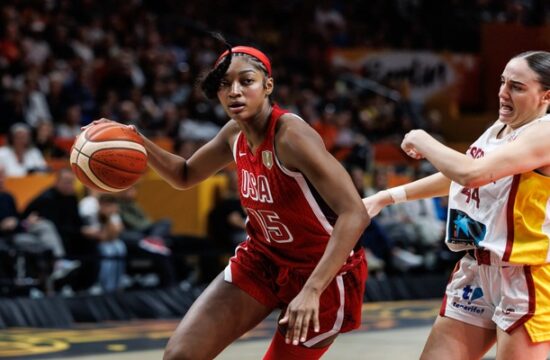
EuroLeague Weekly Dose: Week 17

The Games of week 17:

Monaco vs Crvena Zvezda

In the Principality, Monaco and the Red and Whites delivered the kind of game that bends late and snaps only after overtime. Crvena Zvezda arrived intent on imposing physicality, posting up Kalinic and other big wings on Mike James, but the early story belonged to Motiejunas. The Lithuanian center scored six quick points crashing the offensive glass, posting up, even running in transition. Monaco countered by attacking him relentlessly in pick and roll. Motiejunas held up well enough to help fuel an 11-0 run that put the visitors up 17-8 and forced Spanoulis into an early timeout.

Monaco responded with urgency. The pace picked up, the defense got more aggressive, and Diallo provided the spark with six points during a 13-3 run. Obradovic stopped the game, and the visitors steadied themselves. Scoring in the half court was still a grind, with most of their damage coming in transition or off offensive rebounds, but efficient finishing inside the arc carried Crvena Zvezda to a 27-21 lead after one on 11 of 17 shooting inside.

The second quarter tilted sharply. Monaco generated good looks and missed them. Crvena Zvezda punished that with a 10-2 start, opening a 14-point lead by playing with more flow while still hunting transition chances. At the media timeout it was 43-29. Then momentum flipped. The stoppage invited mistakes, three straight turnovers, and Monaco closed the half on a 15-7 run to trim what had been an 18-point hole down to six by halftime.

The third quarter belonged to Monaco. The defensive intensity jumped, switching with Hayes disrupted everything, and the visitors managed only five points in the first five minutes. Even small-ball looks stopped working consistently against the pressure. Blossomgame put Monaco back in front with a layup, and an Okobo three capped the surge with the home side leading 71-68 entering the fourth.

The final period opened evenly. Buckets were traded, and Cody Miller-McIntyre consistently stressed Monaco by attacking downhill. After a tie at 74, Monaco found separation with an 11-2 run led by Strazel’s six points and capped by a Nedovic three. Up nine with 5:31 left, it felt close to done. Jordan Nwora answered on both ends, getting stops and easy points at the line. Monaco misfired on quality looks, then Diallo buried a three to restore a seven-point cushion inside two minutes.

Crvena Zvezda refused to fold. Butler drilled a three to cut it to four. Two empty Monaco possessions followed. Miller-McIntyre missed from deep, but Ebuka Izundu soared for a putback dunk to make it a two-point game with 33 seconds left. After a timeout, the Serbian defense forced a five-second violation. Butler delivered again, driving left and banking in a game-tying layup with 12 seconds remaining. Mike James had the winner and left the three short. Overtime at 90.

Extra time rode the wave of the comeback. With a small-ball lineup, Nwora struck first with back-to-back threes, Hayes scoring in between. Monaco tried pairing Mirotic and Blossomgame, but it did not stick. Ojeleye’s two points completed an 8-2 run and forced another Monaco timeout. The response never fully came. Crvena Zvezda held the edge, and a last-second Alpha Diallo tip-in sealed a 100-96 final.

Monaco placed five players in double figures, led by Diallo’s 19, but team shooting told the story at 11 of 36 from three. For the Serbians, three players topped 15, and the brightest light was Ebuka Izundu with 22 points and 12 rebounds, seven on the offensive glass. In a game defined by swings, his work on second chances ultimately made the difference.

Barcelona vs Dubai

Barcelona opened with Satoransky, Punter and Brizuela, the latter usually a bench piece but clearly empowered from the jump. Brizuela attacked early, hunting his own offense while Dubai loaded up on Kevin Punter. On the other end, Barcelona’s aggressive hedging came with a cost. Kabengele rolled freely, rarely tagged early, and Dubai cashed in with easy interior scores. The rhythm and physicality of Dubai’s start forced Pascual into an early timeout. Musa made his return in the first quarter, but it was Dubai’s size across positions that defined the opening stretch, pushing the visitors to an 18-22 lead after one.

Barcelona answered with size of its own. Norris and Parra joined Vesely, and even without much off the dribble creation, the tone flipped on defense. Hedges were sharper, Kamenjas was tagged early and fronted to deny post touches, and Dubai’s offense lost its flow. With Wright IV on the bench, the dribble pressure dipped. Barcelona ripped off a 17-6 run, closing the paint and playing run-and-gun basketball, with Punter heating up from deep. Dubai waited too long to get its best lineup back on the floor and had to stop the game again. Out of that, Satoransky dialed up a set straight out of Tenerife, a fake screen against the hedge followed by a slip and a backdoor feed to Vesely at the rim.

Once Dubai’s two best players were back, their offense loosened up. Ball movement forced Barcelona to chase, and the in-and-out game created open looks. Barcelona grew more passive, but still carried a 49-41 halftime lead, driven by Punter’s 15 points, 13 of them in the second quarter.

The third quarter became its own contest. Dubai struck first with a 7-0 run. Barcelona countered with an 8-2 response. Kabengele remained a constant problem inside, and Barcelona struggled to fully contain him. Brizuela took over, scoring 14 by himself in the quarter and pushing Barcelona into double-digit territory. On the other side, Wright IV shifted from table-setter to scorer, hunting his own shot on the way to 23 points by the end of the third, before going down injured late in the period. Defensively, Dubai had lapses, and Barcelona punished them by moving the ball and working for quality shots.

With Wright sidelined, Avramovic entered and leaned into what he does best. Defense. He pressured ball handlers, drew charges, jumped passing lanes, and suddenly Barcelona looked uncomfortable. Dubai searched for a scoring punch, hoping Bacon would deliver, but it was Alexa who stepped up with back-to-back threes to cut the margin to five. Wright IV returned with five minutes left, and Barcelona’s ball security unraveled. Turnovers fueled Dubai’s transition game. A Wright three trimmed the deficit to two after being down 12. Barcelona went nearly two minutes without scoring, and Dubai tied it.

In the end, shot-making decided it. Brizuela and Punter answered when it mattered most, with Brizuela delivering the game-winning floater. Dubai left everything on the floor, defending with intent and forcing mistakes, but offensively rushed decisions followed each Barcelona response in crunch time. Barcelona survived because its closers showed up when the game demanded it.

EA7 Milano vs Zalgiris

Milano was the backdrop for a game that felt heavy from the tip. Play In implications, familiar faces, and two teams trying to define who they are this late in the season. EA7 Milano set the tone early, playing with urgency on both ends. The offense hummed right away, 10 points in the first three minutes, and the defense matched the energy. Active hands, sharper rotations, a clear attempt to look nothing like the previous two outings. By the first media timeout it was 17-8, and Shavon Shields looked like he was headed for one of those nights with 8 points, 3 rebounds and 3 assists, before two early fouls cooled him off.

Zalgiris steadied once Ulanovas checked in. His presence calmed things down, and after a string of stops Tubelis punished mismatches on the block. Four quick points trimmed the margin, and from that first timeout on the Lithuanians won the quarter 11-5, cutting the deficit to three by the end of the first.

Milano again opened fast in the second quarter, after Francisco scored three free throws, the first points of the quarter. Milano then went on an 8-0 run, prompting Tomas Masiulis to call an early timeout with the lead back to eight. Zalgiris chipped away patiently, helped by Milano miscues and Maodo Lo’s five points in the quarter. Ulanovas went to work on the block and eventually tied the game. A tough Leday basket followed by a Francisco three sent Zalgiris into halftime up 45-44. Milano’s eight turnovers stood out, while Zalgiris struggled on the glass, splitting rebounds evenly despite needing more there.

The second half began with a clear adjustment. Milano deliberately hunted Leday, who had only four points on two shots in the first half, and he scored on the opening possession. Zalgiris answered with the next six points, and then came a dubious third foul on Shields. Poetta’s frustration earned him a technical, and the temperature of the game rose immediately. Milano fed off that sense of injustice. Nebo dominated the offensive glass, Shields caught fire, and Milano’s shooting from deep finally showed up. Shields poured in 15 points in the quarter, matching Milano’s entire first half output from three in just ten minutes. The defense tightened as well, pushing Zalgiris’ turnover count to eight for the quarter. Milano carried that surge into a 67-62 lead entering the fourth.

Zalgiris refused to fold. They opened the final period with six of the first eight points, but Marco Guduric answered with a personal 5-0 run to restore a six-point cushion. Maodo Lo responded in kind. First he brought Zalgiris within one, forcing Poetta to call timeout. The ATO worked, freeing Ellis for an open layup, but Lo came right back with a three to tie it at 76. Milano’s offense bogged down at the worst time. The threes stopped falling, just 1-of-8 in the quarter, and turnovers piled up. A Sleva free throw and a Francisco three pushed Zalgiris ahead by four with just over three minutes left.

Shields hit two free throws to keep Milano alive, but another controversial charge call led to a second technical and gave Zalgiris breathing room. This time there was no Milano response. Shields missed from deep, and Maodo Lo finished the night with a layup that stretched the lead to six with a minute to play, effectively sealing it.

Zalgiris walked out with an 86-82 win. Francisco led the way with 25 points and six assists, while Maodo Lo delivered the knockout stretch with 12 of his 17 in the fourth quarter. For Milano, Shields was brilliant with 27, and Guduric, Nebo and Leday all reached double figures, but turnovers, cold shooting late and a few costly moments swung a game that felt within reach until it wasn’t.


Key Performances of the Past Week:

Ebuka Izundu vs AS Monaco

Every week has a moment when a player introduces himself to the wider EuroLeague audience. This one belonged to Ebuka Izundu.

The rookie big man delivered the most dominant performance of the week against AS Monaco, putting up 22 points and 12 rebounds, seven of them on the offensive glass. The stat line pops immediately, but it still undersells what his 21 minutes actually did to the game. This was an announcement performance, the kind that makes people rewind possessions instead of just checking the box score.

Izundu’s presence on the offensive boards became a slow grind on Monaco’s spirit. Possession after possession refused to end, and that pressure built over time. The putback dunk late in the game was the exclamation point, a play that felt enormous in the context of Crvena Zvezda’s comeback and the road environment.

Defensively, he was more than solid. Izundu held his ground at the rim and even survived switches onto Monaco’s guards in isolation, using positioning and effort to make shots uncomfortable. There was no hiding him, and that mattered.

In a very important road win for the Serbians, Izundu was not just productive. He was central. For a rookie, that is the loudest statement you can make.

Kevin Punter vs ASVEL

This was one of those games that slipped through the cracks. Barcelona played ASVEL, Barcelona won by seven, and the night moved on. ASVEL scored 91 points, which tells you they had a real offensive game. Barcelona scored 98, and a big chunk of that belonged to Kevin Punter.

Nothing about the box score screamed for attention in the usual way, and that is probably the point. When a guy scores 31 points, adds four assists and two steals, it somehow does not make headlines anymore because we are used to it. That level of production has become the baseline expectation.

Punter’s scoring drove Barcelona’s offense in a game that could have gotten uncomfortable. ASVEL kept putting pressure on the scoreboard, and every time it felt like momentum might tilt, Punter was there with a bucket, a read, or a play that steadied things. His best plus minus on the team tells the story cleanly. When he was on the floor, Barcelona was in control.

This was not a loud performance in the media cycle, but it was a loud one on the court. Efficient scoring, timely playmaking, defensive activity, and a constant presence that shaped the game. Nights like this explain why Barcelona leans on him and why they can survive games where the margin is thinner than it looks at first glance.

Standings Watch:

This is the part of the season where the table stops being a list and starts feeling like a pressure test. The Play In race is tightening by the week. There are just three wins separating the 10th spot from the 11th, and that is the kind of margin where every possession starts to matter a little more. For the teams on the outside looking in, the room for error is shrinking fast. One bad week can quietly doom a season.

At the top, things are just as crowded. Four teams are sitting on 16 wins, and they are only one win clear of the trio of Olympiacos, AS Monaco and Valencia, all of them still hunting for home court advantage in the Play Offs. Nothing is settled, and the order can flip quickly with a single result.

Fenerbahçe are right in the middle of that chaos, already fighting for first place after a shaky start to the season. This has become familiar territory for a Sarunas Jasikevicius team. They start slow, they absorb the noise, and then they turn into a well oiled machine. Right now they are tied with Hapoel at the top after Hapoel’s loss to Partizan.

On the other side of the Play Off picture, Valencia have slipped into the seventh spot, tied with Monaco after losing three of their last four games. It is a reminder of how unforgiving this stretch can be. In a league this tight, a short skid is enough to change the entire outlook, and the standings reflect that reality every single week.


Week 18 Games to Watch:

Fenerbahçe vs Anadolu Efes

Standings do not matter when we talk about a Turkish derby. Games like these simply mean more. They mean more for the players, they mean more for the coaches, and they definitely mean more for the fans who want bragging rights that last well beyond forty minutes.

This one sets up as a half court battle, the kind of game where every possession feels negotiated. Head coaches will have a decisive impact here, with small tweaks and subtle adjustments swinging momentum. One coverage change, one lineup decision, one timeout at the right moment can decide it.

The talent level is high across the board, but the guard position jumps off the page. Both teams are deep there, and the matchup between Weiler Babb and Talen Horton Tucker is the kind of duel that can define the night. Different profiles, same responsibility, control the game.

This is one of those games you circle without thinking twice. A true can’t miss.

Olympiacos vs FC Barcelona

This matchup almost sells itself. Olympiacos versus FC Barcelona is always appointment viewing, and this one comes with real weight attached. The teams are separated by just one win in the standings, and home court advantage in the Play Offs is very much in play.

On paper, this looks like an offensive showcase. Both teams are very good on that end of the floor, loaded with creators and shot makers who can tilt a game in a hurry. That said, don’t expect a track meet without resistance. Defense is going to be crucial here, and whichever team executes better on that end is likely to decide the outcome.

This is also a coaches’ game. Xavi Pascual and Giorgios Bartzokas are not coming in empty handed. Both will have a few tricks up their sleeve, adjustments layered within adjustments, probing for small edges that can swing a tight contest.

When the stakes are this clear and the margins this thin, skipping this one is not an option.

Asvel vs Panathinaikos

The last time these two teams met at OAKA, Panathinaikos won only by six points. That night, PAO had every player available and Kendrick Nunn went off for 26, doing much of the heavy lifting in a game that never fully felt under control.

Fast forward to now and the context is very different. Panathinaikos might not have Nunn available, and suddenly this trip to Lyon carries a different kind of pressure. A win here will not be considered a great achievement, but a loss could do real damage to a team that has been unable to find consistency over the last month.

That is what makes this game uncomfortable for PAO. The margin for error is thin, the reward is limited, and the risk is obvious. For a team searching for stability, this is the kind of night where you either quietly take care of business or let the doubts grow louder.


What’s at Stake:

EA7 Milano is in a rough stretch, and the numbers are loud. Three straight losses have pushed the Italians three wins away from the Play In spots, a dangerous place to be in a league where the margins are already thin. The slide is not subtle and it starts on the defensive end.

Over this stretch, Milano’s defense has been abysmal. A 144.1 defensive rating is not just bad, it is almost 20 points per 100 possessions worse than the worst season average in the league, the 125.3 posted by Maccabi. That kind of drop off changes everything. It turns solid offensive nights into uphill battles and close games into losses that feel inevitable by the fourth quarter.

Milano can score, that part is not in question. But offense alone is not enough to stop the bleeding. If the defensive level does not rise quickly, even a good offense will not be enough to get them back into the win column, let alone pull them back into the Play In picture. The clock is ticking, and the fix has to start on the other side of the ball.


Biggest News Around EuroLeague

Olympiacos just added Cory Joseph, and it’s exactly the type of move that addresses a glaring need. The Canadian guard brings steady ball-handling and scoring, the kind of presence that becomes noticeable the moment the ball moves through him.

This is particularly timely given Monte Morris’ injury. Olympiacos has struggled with live-ball turnovers, and that has cost them more than a few games this season. Joseph’s ability to manage the game, protect the ball, and create scoring opportunities should help plug that leak. It’s not a flashy headline signing, but in a league where details like turnover rate can define a season, this is the kind of addition that could quietly make a huge difference.


This article was written by the European Hoops team: Tiago Cordeiro, João Caeiro and André Lemos. Make sure you give us a follow on Twitter at @EthosEuroleague!

European Hoops: EuroLeague Week 17 Recap and Week…

In this episode of the European Hoops Podcast, Tiago Cordeiro and João Caeiro break down all the key action from EuroLeague Week 17, analyze what’s at stake for the top contenders, discuss how the standings are shaping up after the first week back, and highlight the must-watch games for Week 18.

This episode of the European Hoops Podcast is presented by FanDuel!

Follow the podcast for more EuroBasket previews and European basketball coverage!

Subscribe and rate on Apple and Spotify, and follow @EthosEuroleague on Twitter and Instagram for Euroleague men and Women, FIBA, and Olympics updates all season long!

Follow our team: André Lemos (@andmlemos), Tiago Cordeiro (@tiagoalex2000) and João Caeiro (@JCaeiro_6).

European Hoops: EuroLeague Week 16 Recap and Week…

In this episode of the European Hoops Podcast, Tiago Cordeiro and João Caeiro break down all the key action from EuroLeague Week 16, analyze what’s at stake for the top contenders, discuss how the standings are shaping up after the first week back, and highlight the must-watch games for Week 17.

This episode of the European Hoops Podcast is presented by FanDuel!

Follow the podcast for more EuroBasket previews and European basketball coverage!

Subscribe and rate on Apple and Spotify, and follow @EthosEuroleague on Twitter and Instagram for Euroleague men and Women, FIBA, and Olympics updates all season long!

Follow our team: André Lemos (@andmlemos), Tiago Cordeiro (@tiagoalex2000) and João Caeiro (@JCaeiro_6).
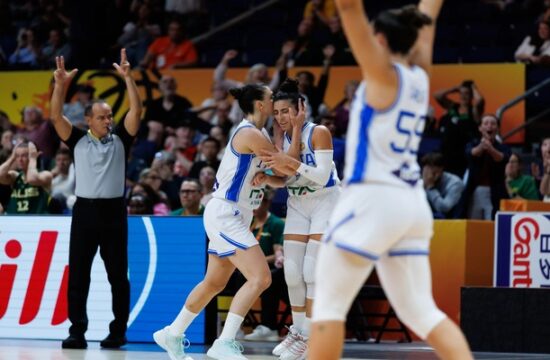
EuroLeague Weekly Dose: Week 16

The Games of week 16:

Fenerbahçe vs Valencia

Fenerbahçe and Valencia delivered exactly what this matchup promised and then some. This was EuroLeague basketball with all the volume turned up. High level execution, constant tactical adjustments, technical fouls, momentum swings, and a finish that demanded your full attention.

The opening minutes were played at Valencia’s preferred speed. The Toranja attacked early and often through pick and roll, and it did not really matter what coverage Fenerbahçe showed. Switch, hedge, show, recover. Valencia moved the ball, forced rotations, and found space. Jaime Pradilla was the main beneficiary, knocking down three triples in the first quarter by simply being ready when the defense cracked.

Fenerbahçe had answers of their own. Talen Horton Tucker immediately put pressure on the rim, attacking Taylor with force and patience. More importantly, Sarunas Jasikevicius had his bigs manipulating Valencia’s defensive rules. Screens flipped at the last second, double ball screens stacked together, defenders arriving a half step late and paying for it. The offenses were humming until Saras stopped the game with just over five minutes left in the quarter and Valencia up 18 to 16.

That timeout flipped everything. Fenerbahçe came out with force, ripped off a 9 to 0 run, and never let Valencia get comfortable again. Pedro Martinez called for time, but the run stretched to 12 before Nate Reuvers finally stopped the bleeding with an offensive rebound and putback. Even then, the damage was done. Fenerbahçe closed the quarter up eight, fueled by five Valencia turnovers and a defense that suddenly tightened every passing lane.

Valencia opened the second quarter the way they hoped the entire game would go. Faster pace, more physicality, crashing the glass. A 10 to 2 start briefly swung the tone. Fenerbahçe barely blinked. The defending champions have been here too many times. A 12 to 3 response pushed the lead to 12 and forced Martinez to burn his second timeout of the half. Valencia stabilized after that, but Fenerbahçe’s defense was dictating terms. Just 14 points in the quarter, 2 of 10 from three, and a 45 to 34 deficit at halftime.

The pattern repeated after the break. Valencia struck first again, scoring seven of the first ten points of the third quarter. Fenerbahçe answered again, this time with a 5 to 0 run built entirely on stops. Nothing came easy. Frustration started to creep into Valencia’s body language. Still, this team never goes quietly. Martinez turned to Sergio de Larrea and Josep Puerto, and they changed the game. Back to back threes cut the lead to five with three minutes left, forcing Jasikevicius to step in and kill the momentum.

Fenerbahçe did just enough from there. The margin hovered around five until a violent poster dunk late in the quarter sent the building into a frenzy and set the score at 66 to 58 heading into the fourth.

Nicolo Melli wasted no time reminding everyone why he owns the title of King of Winning Plays. A massive block, then a basket on the other end, and suddenly the lead was 10 again. Valencia responded instantly, slicing it back to five in seconds. This is where Fenerbahçe showed real maturity. They slowed the game down, leaned into late clock execution, and scored when it mattered. Two Brandon Boston Jr. free throws restored a double digit cushion.

Valencia had one last surge. They hunted Nando De Colo, found points, and a Jean Montero three brought it back to five inside two minutes. De Colo answered with a layup. Montero hit another three. Devon Hall grabbed a huge offensive rebound, and Melli buried what looked like the dagger from deep.

But Montero was not done. A quick mid range pull up, then a Reuvers steal and layup, and suddenly Valencia was one shot away. Montero stripped De Colo and rose for a potential game tying three, only for Wade Baldwin IV to appear out of nowhere and erase it. Valencia still got a clean look on the baseline out of bounds, a Nate Reuvers corner three, but it would not fall. Tarik Biberovic iced it at the line, and a Taylor layup set the final at 82 to 79.

In a game played well below Valencia’s usual scoring standards, Fenerbahçe’s depth told the story. Six players in double figures, including Nando De Colo with 16 points in his first game back in yellow and blue. Valencia had only four players reach double digits, five scoreless, and Darius Thompson limited to a single free throw. An unusual sight for this Valencia team, and a reminder that against elite defense, nothing is guaranteed.

Real Madrid vs Barcelona

Real Madrid walked into the clásico with a clear physical edge, size across almost every position and a defensive plan that never wavered. The priority was Kevin Punter. Madrid went over every screen involving him and were happy to switch the other four players in any pick and roll action. From the opening tip, the tone was set.

The game itself took time to warm up. The first five minutes produced a combined eight points, both teams feeling each other out. Madrid broke the ice by going inside, repeatedly finding Walter through high low actions, and their first six points all came from him. Abalde drew the Punter assignment and was excellent, staying attached, denying comfort, and forcing Barcelona to search for offense elsewhere.

That offense briefly arrived through Thoko Shengelia. Barcelona punished a few missed communications with well worked sets that freed Shengelia for back to back threes, wide open looks created by defensive switches that never got sorted. Madrid answered quickly. Lyles came in with five points of his own, returning the favor and keeping the balance.

Barcelona adjusted by going smaller and more mobile. Laprovittola, Cale and Brizuela shared the floor with two rolling bigs, and the offense finally found some rhythm. The ball moved, the paint opened up, and scoring became easier. Madrid still had the advantage inside, getting to the rim with more ease than Barcelona, but Laprovittola looked closer to his old self, orchestrating and probing.

Midway through the second quarter, Barcelona was down nine. A couple of offensive rebounds, second chance points, and some timely defensive plays cut the margin to five and forced Scariolo to call timeout. That was the moment. After the stoppage, Walter’s impact grew on both ends. Madrid pushed the pace, controlled the glass, and the lead ballooned back to double digits. At halftime, Barcelona had been passive defensively and never found a consistent way to involve Punter, largely due to Madrid’s discipline and pressure.

The third quarter opened with Barcelona’s best stretch of the night. A 7 to 0 run forced Madrid into mistakes, late shots, and stalled ball movement. Scariolo responded immediately, bringing in Feliz and Garuba. The response was decisive. Madrid pressed more, the offense flowed again, and the physical gap widened. Garuba did a bit of everything. He knocked down threes, moved without the ball, switched seamlessly on defense, and picked up ball handlers with purpose. The pace became overwhelming, and Barcelona could not keep up.

By the fourth quarter, the outcome felt inevitable. What had started as a chess match ended as a demonstration of depth, size, and physicality.

Garuba finished with 16 points, but this was a collective statement. Madrid contained Kevin Punter, and without him, Barcelona leaned almost entirely on Brizuela and Laprovittola. After the game, Coach Pascual pointed to the rebounding gap and Madrid’s physicality. On this night, that difference was decisive.


Key Performances of the Past Week:

Saliou Niang vs Dubai BC

It’s time to give flowers to one of Europe’s most intriguing young prospects. Against Dubai BC, 21 year old Saliou Niang delivered the kind of performance that quietly announces itself to anyone who values the connective tissue of basketball as much as the highlights. The box score alone already demands attention. Seventeen points, seventeen rebounds with seven of them on the offensive glass, three assists, two steals and a block. A full stat sheet, yes, but the real value was in how those numbers came together.

Niang, a long and rangy forward, played with his athleticism turned all the way up. Defensively, he was a problem. One on one he held his ground, sliding well and using his length to make shots uncomfortable. In rotations he was even better, showing timing and awareness, shrinking passing lanes and arriving just in time to contest without overcommitting. He looked like a player who understands where the next action is coming from.

Offensively, the impact came without the need for shooting. Niang is still a non shooter, but he consistently found ways to matter. His cutting was sharp and purposeful, his off ball movement creating pressure on the defense and opening space for others. As a roller in pick and roll, he made quick, clean decisions, catching on the move and either finishing or moving the ball without hesitation.

The loudest part of the night, though, was on the offensive glass. Seven offensive rebounds, each one a small act of defiance, turning dead possessions into life. Those extra chances were crucial for Virtus, especially on the road, and Niang was at the center of it. Again and again he beat his man to the ball, extended possessions, and tilted the game with effort and instinct.

This was a do it all performance, the kind that doesn’t just help you win one game but hints at a much bigger picture. For Virtus, it was a key piece in an impressive road win. For Niang, it felt like a reminder that development is not always linear or flashy. Sometimes it looks like this. Length, energy, feel, and a young player figuring out how to bend a game without forcing it.

Usman Garuba vs Barcelona

Usman Garuba was one of the quiet drivers behind Real Madrid’s win against their biggest rival, even if the box score only hints at the full story. His energy was the kind that seeps into every possession and slowly overwhelms the opponent. Barcelona felt it from the moment he checked in.

Garuba did not just survive on offense, he delivered. He shot perfectly from the outside, knocking down two huge corner threes that punished Barcelona for loading up elsewhere. Those shots mattered, not only on the scoreboard but in how they stretched the floor and forced defensive decisions Barcelona did not want to make.

Defensively, he was everywhere. Garuba defended Barcelona’s ball handlers with discipline, switching, containing, and using his strength and mobility to take away comfort. He ran the floor relentlessly, turning defense into instant pressure the other way, and that pace was something Barcelona simply could not match for long stretches.

Sixteen points will not jump off the page in isolation, but that number undersells his night. Garuba’s impact lived in the margins, in the energy plays, in the defensive stops, in the way he accelerated the game on Madrid’s terms. Against a rival, in a game that demanded physicality and intensity, he delivered exactly that, and then some.


Standings Watch:

Panathinaikos have hit a rough patch at the worst possible time. Three defeats in the last four games have pushed the Greens down into the Play In spots after spending a long stretch of the season sitting comfortably in second place. In a league this tight, that kind of slide does not just cost you wins, it reshapes the entire outlook.

Things in Athens are clearly not in the best place right now. Injuries have not been kind, rotations have been disrupted, and the margin for error has evaporated. Every possession starts to feel heavier when the standings compress like this.

Home court advantage in the Playoffs matters, maybe more than ever in a season where separation is minimal and road wins are precious. If this skid lingers, what once looked like a given could turn into a mirage only. Panathinaikos still control parts of their destiny, but the cushion is gone, and the urgency is real.


Week 17 Games to Watch:

Real Madrid vs Monaco

Real Madrid and Monaco cross paths once again, this time in the Spanish capital, and this is the kind of matchup that rarely needs selling. These two teams always seem to bring out the best and the most complicated versions of each other.

They come into the week separated by just one win, with the Monegasques holding the edge in the standings. That small gap adds weight to every possession, every substitution, every late game decision. The talent level is off the charts on both sides, not only on the floor but also on the benches, where in game adjustments can quietly swing the night.

This is the type of game where details matter more than highlights, where one read or one defensive tweak can tilt the balance. A can’t miss game for sure.

Valencia vs Paris

These are not the flashiest clubs in the competition, and that is exactly why this game deserves attention. For anyone who craves pace, this is a must watch. Both teams sit at the top of the league pace wise, so expect a high scoring night with a healthy dose of anarchy on display.

The contrast in the standings is sharp. Paris come in sitting 17th, while Valencia are firmly planted in fourth. That gap is not accidental. Evan Fournier once called Valencia an upgraded version of Paris, and this matchup quietly explains why. Valencia combine that same speed with one of the best defenses in the league, and that puts players like Hifi in a very tough spot. On the other side, Paris defense has been low key bad, and against a team that plays this fast but also this organized, those cracks tend to show.

If the game turns into a track meet, Valencia are comfortable there. If it slows just a bit, their defense still gives them the edge. Expect Valencia to take this one.


What’s at Stake:

Every season has its list of underwhelming storylines, and this one starts in Belgrade with Devonte Graham. Expectations were not small, his own included, and right now he is not meeting them. The easy explanation is fit. Crvena Zvezda have a crowded backcourt and a clear hierarchy, but that argument cuts both ways. Graham is backing up players like Cody Miller, Nwora and Butler who are performing and absorbing the pressure. In theory, that should simplify his job. Come in, space the floor, hit shots. That part has not happened. There have been DNPs. There have been long stretches without a point. Adaptation time is real, but the clock is ticking and Red Star need a spark. Graham is supposed to be that guy. If it does not click soon, other options outside of Belgrade start to feel less hypothetical.

On the other side of the spectrum, Joel Bolomboy’s return quietly shifts the math. He made his comeback last Saturday in ABA League action after a ten month absence, logging nine minutes with four rebounds and a block. The numbers do not jump off the page, but the context matters. For Crvena Zvezda, his presence alone is significant. Bolomboy will need time to reach his top form, but he immediately gives coach Obradovic another reliable EuroLeague level center alongside Motiejunas and rookie Ibuka Izundu. That extra body changes lineup possibilities and strengthens the rotation at a moment when margins are thin. As the season moves into its decisive stretch, that kind of depth can be the difference between hanging onto a Play Off push and watching it slip away.


Biggest News Around EuroLeague

Injuries and roster tweaks are reshaping the landscape this week. Nigel Williams-Goss suffered a calf strain in Round 21 and is expected to miss the next two to three weeks, a tough blow for his team as they navigate the midseason grind. On the addition side, Bruno Caboclo joined Dubai from Hapoel on January 15, though he hasn’t yet been registered and it remains to be seen how quickly he can impact the rotation. And for teams looking for a boost, Dzanan Musa returned to action in the ABA League this past weekend after being sidelined since Round 3 with a knee injury. His comeback adds a familiar scoring option and depth for his squad just as the season enters its critical stretch.


This article was written by the European Hoops team: Tiago Cordeiro, João Caeiro and André Lemos. Make sure you give us a follow on Twitter at @EthosEuroleague!