
Last Updated on October 5, 2026 7:01 pm by André Lemos | Published: October 5, 2026
EuroLeague Women 2026-27 Power Rankings: Ranking All 16 Teams
The EuroLeague Women field is set, and there may not be a deeper collection of contenders, established powers and dangerous newcomers anywhere in European basketball.
We ranked all 16 teams entering the 2026-27 season, weighing roster quality, tactical fit, continuity, coaching and how we expect each team’s strengths to translate against the best competition in Europe.
There are clear favorites at the top, but very little separates much of the field behind them.
Here are our EuroLeague Women Power Rankings entering the season.
1. Fenerbahçe Tarfin
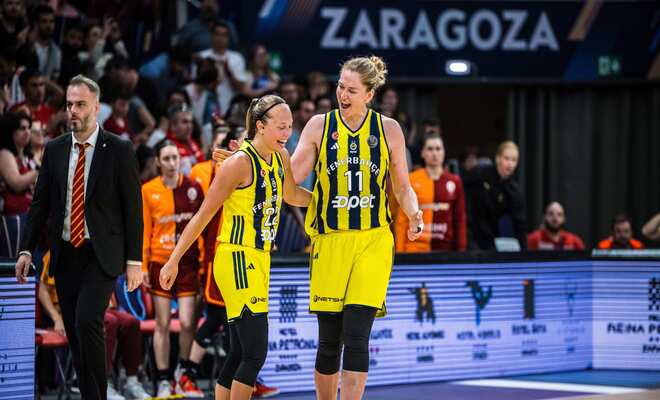
Fenerbahçe enter the season as our clear No. 1. Emma Meesseman and Julie Allemand are two players we have consistently loved because of how they process the game, and their chemistry sits at the center of an absurdly deep roster with the highest ceiling in Europe.
Tactically
Meesseman is the piece that makes everything flow. Fener can use her as an elbow hub, screener, short-roll creator or mismatch scorer, while Allemand controls tempo and gets them into the right action. Their size and versatility also allow them to switch extensively without sacrificing rebounding or rim protection.
2. Galatasaray Çağdaş Faktoring
Galatasaray look like Fenerbahçe’s strongest challenger entering the season. Dorka Juhász is one of the players we have been highest on throughout our coverage, and the roster around her has enough talent, length and experience to challenge any team in Europe.
Tactically
Juhász gives them unusual flexibility because she can score inside, facilitate from the high post and space away from the basket. Fauthoux and Uzun can both initiate pick-and-roll offense, while Howard, Kuier and Salaün give Galatasaray the length to play big without becoming slow.
3. Beretta Famila Schio
Schio enter the season as our leading non-Turkish contender. Their balance, wing quality and lineup versatility give them one of the safest profiles in the competition, with enough shooting, creation and physicality to match up with almost anyone.
Tactically
Conde and Zandalasini give Schio two big wings who can create, post smaller defenders and make plays off the bounce. Laksa stretches defenses, while the frontcourt provides enough physicality to survive against elite size. Defensively, their length allows them to switch actions without immediately creating a mismatch.
4. Valencia Basket
Valencia remain one of the most complete teams in the field. They have multiple intelligent decision-makers, strong positional size and very few obvious places for an opponent to attack, giving them both a high floor and legitimate Final Six upside.
Tactically
They can play through several ball-handlers rather than relying on one dominant creator. Peterson adds downhill pressure, Carrera can operate as both a roller and facilitator, and Pueyo gives them another long perimeter defender who can turn defense into transition offense.
5. ZVVZ USK Praha
USK Praha belong firmly among the competition’s upper tier. This roster may be younger than some previous versions of USK, but there is too much talent, athleticism and institutional quality to overlook their ability to contend deep into the competition.
Tactically
Cazorla and Astier give them two guards capable of manipulating pick-and-roll coverages, while Bühner and Touré add athleticism and transition pressure. USK should be at their best when they increase tempo, defend aggressively and create scoring opportunities before the opposing defense is fully organized.
6. Casademont Zaragoza
Zaragoza are one of the teams we trust most because their identity is already established. Carlos Cantero has built a group with continuity, structure and a clear offensive framework, while the latest additions give them more weapons without requiring a stylistic reset.
There is one wrinkle hanging over the season: captain Mariona Ortiz is set to leave Zaragoza at the end of 2026 to join Project B. That creates some uncertainty about how the team will look later in the EuroLeague campaign, but it should not overshadow how strong this group can be from the opening tip.
Tactically
Ortiz remains the organizer while she is there, and Zaragoza are at their best when the first action flows immediately into a second one. Ndour gives them another pick-and-pop and interior option, while Sheppard and Garzon can punish teams that overload toward the paint. How Zaragoza redistributes Ortiz’s playmaking responsibilities later in the season will be something to watch.
7. Basket Landes
Basket Landes remain one of our stronger team leans entering the season. The roster has changed, but Julie Barennes has built such a clear identity around collective defense, discipline and connectivity that we trust Landes to remain extremely difficult to play against.
Tactically
Landes tend to win through defensive cohesion, physicality and keeping opponents out of comfortable rhythm. Musa gives them a legitimate interior reference point, while their guards can pressure the ball and push quickly after stops. Their biggest challenge will be replacing some of the individual creation lost during the offseason.
8. Emlak Konut
Emlak Konut enter the regular season as one of the teams we are particularly interested in after an impressive qualification run. Réka Lelik and Lindsay Allen give them high-level guard play, while their frontcourt has enough strength and athleticism to compete physically with the stronger EuroLeague teams.
Tactically
Allen can control a traditional high pick-and-roll attack, but Emlak become especially dangerous after the first advantage is created. Lelik is excellent attacking a rotating defense on the second side, while Mavunga and Kunaiyi-Akpanah provide strong rolling and offensive-rebounding targets.
9. Flammes Carolo Basket
Flammes Carolo were one of the teams that impressed us most during qualifying. Their offense looked genuinely connected rather than dependent on difficult individual shot-making, and they showed that their ball movement and collective creation can translate against strong European opposition.
Tactically
Franchelin keeps the offense organized, but Flammes are most dangerous when the first pass triggers another action rather than ending the possession. Clarke gives them an inside-out anchor, while Pospíšilová and Love can attack closeouts and punish defenses after the initial rotation.
10. Athinaikos Qualco
Athinaikos have one of the most intriguing rosters in this section of the rankings. Julie Vanloo gives them a proven creator and shot-maker, while the supporting cast contains enough size, scoring and experience to make them a dangerous opponent from the opening weeks of the season.
Tactically
Vanloo should give them a heavy dose of high pick-and-roll creation, particularly late in possessions. Tsineke and Hristova can attack from the wings, while Fasoula and Macaulay give them different interior profiles and allow Athinaikos to vary their screening and post offense by matchup.
11. Kibirkstis-TOKS
Kibirkstis-TOKS are a team we have liked throughout the qualification process because of their movement, versatility and guard creation. Their road win in Sopron reinforced the belief that this style can translate against stronger opposition, and they enter the regular season as one of the teams we think can make life uncomfortable for more established names.
Tactically
They are most dangerous when Woolfolk gets downhill and forces the defense to collapse. Their spacing can then turn that first penetration into kick-outs, extra passes and secondary drives. The main question is whether they can maintain that freedom against bigger EuroLeague defenses capable of switching more actions and taking away some of those driving lanes.
12. KKZ Crvena Zvezda
Crvena Zvezda showed during qualifying why they can be a difficult matchup in this competition. Henderson’s pace and creation give them an offensive engine, while their defensive aggression, physicality and coaching should ensure that very few opponents get an easy night against them.
Tactically
Expect Marina Maljković to lean into pressure defense, disrupted passing lanes and transition opportunities. Henderson is at her best attacking before the floor is organized, while Spanou gives them the half-court stabilizer who can facilitate, screen or punish switches inside.
13. Tango Bourges Basket
Bourges remain a serious European program with a strong coaching foundation, but this season’s roster carries more uncertainty than we normally associate with them. There has been significant turnover, and the biggest question is where the consistent high-level creation will come from against the best defenses.
Tactically
They should still be difficult to play against because Lafargue’s teams are comfortable in physical half-court games. Duchet can organize the pick-and-roll, while Thomas and Dally give Bourges more direct attacking options from the wings. Their offensive ceiling will depend heavily on how consistently they create advantages without overworking the primary guards.
14. AZS UMCS Lublin
Lublin have enough individual talent to be competitive, but significant roster turnover makes them one of the more difficult teams to project entering the season. Their frontcourt should give them a clear foundation, while the development of their perimeter creation will likely determine their ceiling.
Tactically
Reese and Treffers give them a natural inside-out foundation and should allow Lublin to play through the paint rather than relying exclusively on perimeter creation. Their biggest question is whether the guards can consistently create the initial advantage needed to get those bigs touches in favorable positions.
15. Kangoeroes Basket Mechelen
There are players we genuinely like on this roster, particularly Hind Ben Abdelkader, but EuroLeague will test Mechelen’s depth, size and ability to generate quality offense possession after possession.
Tactically
Ben Abdelkader will inevitably carry a large creation load and can score both out of pick-and-roll and isolation. Mechelen may need to play smaller and use spacing, pace and shooting to prevent deeper opponents from turning games into purely physical half-court battles.
16. CS Rapid București
Rapid earned their place in the competition after an excellent domestic season and have enough veteran experience to make opponents work. The biggest question is how quickly they can adjust to the jump in talent, size and execution they will face every week in EuroLeague.
Tactically
They are more likely than most teams above them to rely on a traditional half-court structure, using Morrison’s size inside and trying to control possessions through defensive rebounding. Their challenge will be creating enough perimeter advantages when stronger EuroLeague opponents take away the paint.
This article was co-written by the European Hoops Podcast team, André Lemos and João Caeiro. Follow us at @EthosEuroLeague and subscribe to the European Hoops Podcast wherever you listen to your favorite podcasts.
- About the Author
- Latest Posts

From the cliffs of Porto Moniz to the forests of Latvia. With a degree in business and a background in finance, I traded balance sheets for projection models, following a lifelong love of the game. I’ve played it, I’ve lived it and I’ve had the privilege of working inside team front offices at both the club and national level.
For over 20 years, I’ve also been immersed in the world of Fantasy Basketball, studying trends, finding edges and living the grind season after season. That passion has brought me here, to SportsEthos, where I’m honored to be part of our management team alongside the great Aaron Bruski. My mission is simple: help SportsEthos thrive as the premier home for Fantasy Sports and sports coverage. A place where users get real value and where every member of the team can sharpen their craft, find joy in the work and build something special that feels like home.